Outdated and Fragmented Technology Systems: The Hidden Threat to Chiropractic Clinics
Legacy tech = HIPAA fines waiting
Is your chiropractic clinic still juggling separate systems for scheduling, billing, and patient documentation? If so, you’re not alone—but the cost of outdated and fragmented technology is higher than you think. Inefficiencies, communication delays, and incomplete patient records can quietly erode your clinic’s productivity, profitability, and patient satisfaction. The good news? There’s a better way forward.
Why Farmhouse Networking Stands Apart
While many Managed Service Providers (MSPs) offer basic IT support, Farmhouse Networking delivers a true competitive advantage. Our team goes beyond simple monitoring—we specialize in integrating and automating your essential applications, transforming your technology from a patchwork of disconnected tools into a seamless, strategic asset. This focus on automation and integration sets us apart, ensuring your clinic enjoys faster workflows, fewer errors, and a more resilient IT environment.
Most MSPs take a reactive, “break-fix” approach, only stepping in when something goes wrong. Farmhouse Networking, however, proactively manages your systems, preventing issues before they disrupt your business. Our deep expertise in healthcare IT means we understand the unique needs and compliance requirements of chiropractic clinics, giving you peace of mind and a clear edge over competitors.
Practical Steps Farmhouse Networking Will Implement
Here’s how we help chiropractic clinics modernize and unify their technology:
System Integration: We connect your scheduling, billing, and documentation platforms, eliminating data silos and ensuring that information flows smoothly across your clinic.
Workflow Automation: Routine administrative tasks—like appointment reminders, billing follow-ups, and record updates—are automated to save staff time and reduce errors.
Secure Cloud Solutions: By migrating data to secure, HIPAA-compliant cloud platforms, we ensure patient records are accessible, protected, and always up-to-date.
Proactive Monitoring & Support: Our team monitors your systems 24/7, addressing issues before they become problems and minimizing costly downtime.
Staff Training & Support: We provide ongoing training and responsive support, empowering your team to make the most of new technology with confidence.
Take the First Step to a Unified, Efficient Clinic
Don’t let outdated or fragmented technology hold your clinic back. Farmhouse Networking specializes in helping chiropractic practices like yours streamline operations, boost productivity, and deliver better patient care.
Ready to discover how Farmhouse Networking can transform your clinic?
Email us today for a free consultation and see how a modern, unified IT environment can help your business thrive.
Why Every Minute Matters and How Farmhouse Networking Delivers
Every minute of system downtime costs your small business money—proactive monitoring and managed IT services dramatically reduce outages and protect your revenue.
Imagine your business suddenly grinds to a halt—orders can’t be processed, patient records are inaccessible, and your team is scrambling to keep up. Technical issues or downtime can stop operations in their tracks, leading to lost revenue, frustrated customers, and even dissatisfied patients in healthcare settings. Today every second of downtime can cost thousands of dollars and erode the trust your clients and patients place in your organization.
Why Farmhouse Networking Stands Out Among MSPs
Farmhouse Networking isn’t just another managed service provider (MSP)—we’re your proactive partner in preventing costly system interruptions. While many MSPs offer basic monitoring and support, Farmhouse Networking delivers a competitive advantage through a blend of advanced technology, rapid response protocols, and a deep understanding of the unique challenges faced by healthcare, manufacturing, and charity sectors.
Our approach is built on proactive monitoring, which means we detect potential issues—such as failing hardware, network bottlenecks, or cyber threats—before they impact your operations. With 24/7 monitoring and clearly defined Service Level Agreements (SLAs), we guarantee swift issue resolution, minimizing downtime and keeping your business running smoothly. Unlike in-house IT teams limited to business hours, our team is always on standby, ready to tackle urgent problems the moment they arise.
Key Features and Benefits: What Farmhouse Networking Offers
Proactive Network Monitoring: Continuous oversight of your IT infrastructure to catch and resolve issues before they escalate.
Rapid Issue Resolution: Fast response times with clear SLAs, ensuring minimal disruption to your business operations.
Disaster Recovery Planning: Comprehensive plans tailored to your organization, including risk assessment, backup strategies, and clear communication protocols to restore services quickly in case of a disaster.
Customized Support: Solutions designed specifically for healthcare, manufacturing, and nonprofit sectors, addressing industry-specific compliance and security needs.
Employee and Patient Satisfaction: By keeping systems online and data secure, we help you maintain trust with both your team and your clients or patients.
A Real-World Example: The Value of Proactive MSP Support
Consider a healthcare provider facing a network outage. Without proactive monitoring and rapid response, clinicians may be unable to access electronic health records, leading to delayed diagnoses, treatment errors, and frustrated patients. Farmhouse Networking’s proactive approach ensures these scenarios are prevented or swiftly resolved, safeguarding both patient safety and your organization’s reputation.
Secure Your Business Continuity
Don’t let system downtime disrupt your business or compromise your clients’ trust. Farmhouse Networking is ready to help you minimize downtime, maximize productivity, and keep your operations running smoothly—no matter what challenges arise.
Email us today to learn more about how Farmhouse Networking can improve your business continuity and end system downtime for good. Let’s build a more resilient future together.
How an MSP Can Bring Predictability to Your Business Technology Budget
MSP transforming unpredictable IT spending into stable monthly budgeting for business financial planning
Unpredictable IT expenses can feel like a never-ending rollercoaster for business owners. One month, everything runs smoothly; the next, you’re hit with an unexpected server crash, cybersecurity scares, or a costly software upgrade. These surprises not only disrupt your operations but also wreak havoc on your budget and long-term planning. There’s a better way: partnering with a Managed Service Provider (MSP) like Farmhouse Networking.
Why Are IT Costs So Unpredictable?
Traditional, in-house IT management often relies on a “break-fix” approach—waiting for something to go wrong before addressing it. This reactive model leads to:
Emergency repair bills
Unplanned hardware replacements
Downtime that impacts productivity and revenue
High costs for hiring and training IT staff
Constantly shifting technology needs and compliance requirements
How an MSP Brings Cost Control and Predictability
An MSP transforms your IT from a source of stress into a strategic asset. Here’s how:
Fixed Monthly Pricing With an MSP, you pay a predictable monthly fee for comprehensive IT support. No more surprise bills—just one flat rate that covers monitoring, maintenance, support, and security. This makes budgeting straightforward and allows you to allocate resources with confidence.
Reduced Operational and Staffing Costs Outsourcing IT means you don’t need a large in-house team or to worry about ongoing training and certifications. MSPs leverage economies of scale, providing expert support and access to the latest technology at a fraction of the cost of building it yourself.
Proactive Maintenance and Security Instead of waiting for things to break, MSPs monitor your systems 24/7, apply updates, and address vulnerabilities before they become expensive problems. This proactive approach drastically reduces downtime and the risk of costly cyber incidents.
Scalable Solutions As your business grows or changes, an MSP can quickly scale services up or down. You only pay for what you need, when you need it—no wasted resources or surprise expenses.
Streamlined Infrastructure MSPs optimize your IT environment, eliminating redundant software, consolidating hardware, and managing licenses efficiently. This not only cuts costs but also maximizes the value of your technology investments.
The Bottom Line: Peace of Mind and Predictable Growth
With a trusted MSP like Farmhouse Networking, you gain:
Consistent, predictable IT expenses
Reduced risk of expensive downtime and security breaches
Access to a team of experts and the latest technology
Freedom to focus on growing your business, not fighting IT fires
Ready to Take Control of Your IT Costs?
Stop letting unpredictable IT expenses hold your business back. Contact Farmhouse Networking today to discover how our managed IT services can bring stability, security, and savings to your technology budget. Let’s turn your IT from a wild card into a strategic advantage—reach out now for a free consultation!
AI transcribes meetings in cloud, generates summaries, action items instantly.
AI technology has transforming how businesses operate, and one of the most practical applications for business owners today is AI-powered note taking during client interactions. Leveraging AI to take notes can revolutionize the way you capture, organize, and utilize information from meetings, calls, and other client engagements, delivering significant benefits to your business.
How AI Can Take Notes in Client Interactions
AI notetakers use advanced speech recognition and natural language processing to automatically transcribe spoken conversations in real time. These tools can:
Capture every detail accurately without the distraction of manual note-taking.
Organize notes by topics, speakers, and action items.
Summarize long discussions into concise, actionable points.
Integrate with other business tools like CRM systems, calendars, patient management systems, client document managers and project management software for seamless workflow coordination.
This means during patient or client meetings, whether virtual or in-person, you can focus fully on the conversation, knowing that the AI is reliably recording and structuring the information for you.
Benefits for Business Owners
1. Save Time and Increase Productivity
Traditional note taking is time consuming and often inefficient. Business owners typically spend 15-20 hours a week in meetings and an additional 5-7 hours on follow-ups and documentation. AI notetakers can reduce meeting follow-up time by up to 70%, saving you approximately 4-5 hours weekly that can be redirected towards strategic business activities.
2. Improve Accuracy and Decision-Making
AI-powered notes are more accurate and comprehensive than manual notes, capturing nuances, speaker distinctions, and context. This accuracy reduces the risk of missing critical details or misinterpreting client needs, enabling better-informed decisions and stronger client relationships.
3. Enhance Organization and Collaboration
AI note-taking tools standardize note formats, making it easier for you and your team to review and act on meeting outcomes. They automatically generate and distribute action items, improving accountability and ensuring everyone stays aligned—even those who missed the meeting.
4. Boost Client Service and Satisfaction
By capturing detailed client requirements and preferences accurately, AI notetakers help you deliver personalized service. This leads to improved client satisfaction and loyalty, as your business can respond more effectively to client needs and follow up promptly with relevant actions.
5. Gain Competitive Advantage
Utilizing AI for note taking and knowledge management frees up valuable time and mental bandwidth. This allows you to focus on innovation, market expansion, and personalized client engagement strategies that differentiate your business in a crowded marketplace.
Practical Applications in Your Business
Sales Calls: Automatically transcribe calls, sync notes to your CRM, and track commitments to close deals faster.
Project Meetings: Document discussions, assign tasks, and maintain searchable records for better project management.
Patient / Client Consultations: Capture detailed patient / client feedback and preferences to tailor your services effectively.
Internal Strategy Sessions: Focus on high-level thinking while AI handles the documentation and follow-up.
Embracing AI notetakers means freeing yourself and your team from administrative burdens and focusing on what truly matters: building relationships, making informed decisions, and growing your business.
Ready to transform the way your business handles client interactions?
Contact Farmhouse Networking today to discover how AI-powered note taking can save you time, boost accuracy, and elevate your client service. Let us show you how easy it is to get started – reach out now and take the first step toward smarter, more efficient meetings
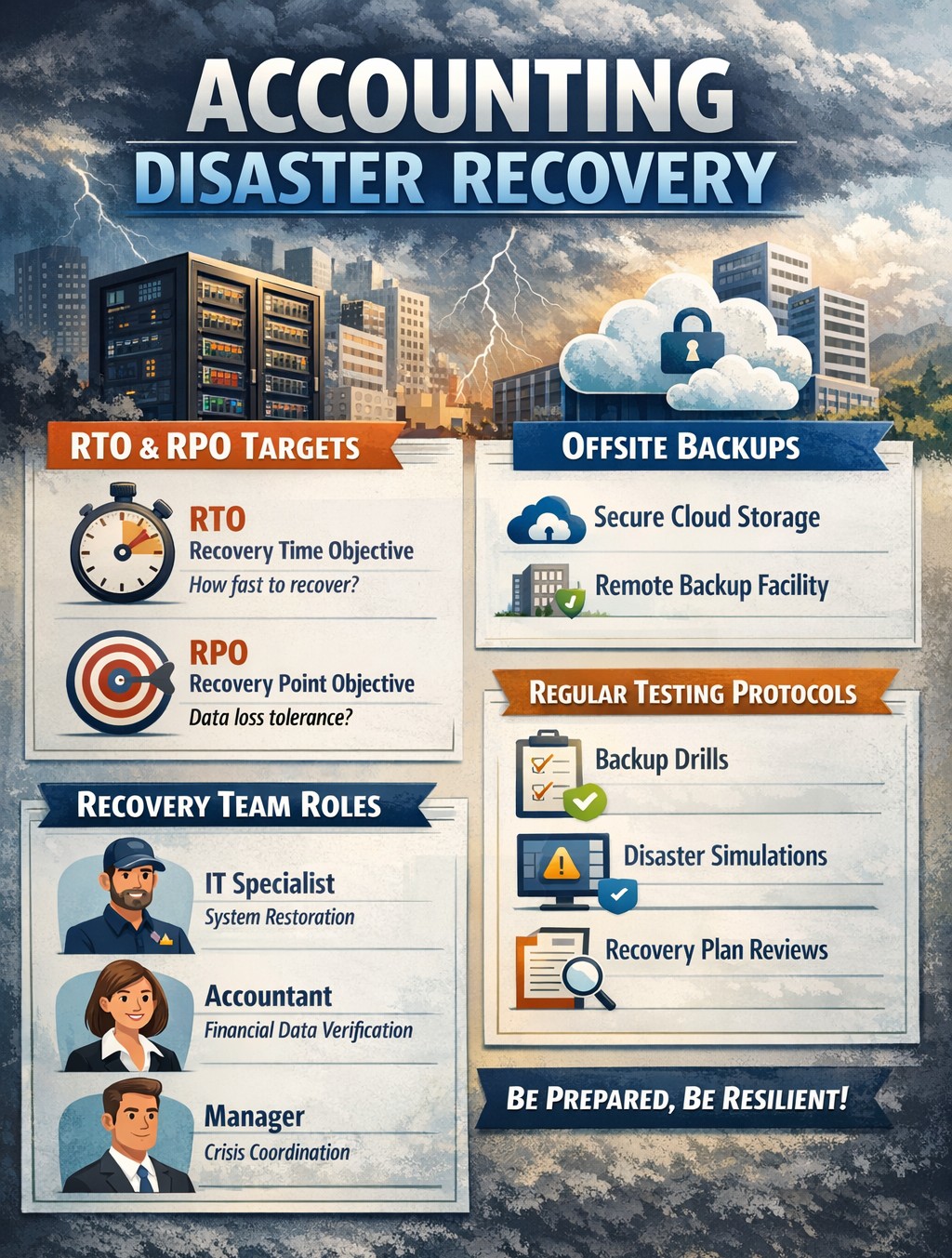
Layered backup solutions preventing data loss disasters for accounting practices
As the owner of an accounting practice, your clients trust you with their most sensitive financial data. But with great responsibility comes significant risk – data loss can devastate your operations, damage your reputation, and even threaten your firm’s survival. Understanding the causes of data loss and how to mitigate those risks is key to keeping your business secure and resilient.
The Leading Causes of Data Loss in Accounting Firms
Accounting practices face unique data risks due to the volume and sensitivity of the information they handle. The most common causes include:
Human Error: Mistakes like accidental file deletion, overwriting data, or sending sensitive information to the wrong recipient are the top cause of data loss, accounting for up to 88% of incidents. Even well-trained staff can make errors, especially under tight deadlines or with manual data entry.
Cybersecurity Breaches: Accounting firms are prime targets for hackers due to the financial data they store. Cyberattacks can lead to data theft, ransomware lockouts, and costly breaches that expose client information and trigger compliance headaches.
Hardware or Software Failure: Servers, hard drives, and other devices can fail unexpectedly, causing sudden data loss if backups aren’t in place.
Natural Disasters: Fires, floods, or power outages can physically destroy data storage systems, leading to permanent loss unless offsite or cloud backups exist.
Poor Data Management: Outdated or poorly designed systems increase the risk of accidental loss, corruption, or unauthorized access.
The consequences of data loss extend beyond immediate disruption. Accounting firms may face regulatory fines, expensive lawsuits, and – perhaps most damaging – loss of client trust and reputation.
How to Mitigate Data Loss Risks
Partnering with a trusted MSP like Farmhouse Networking provides a multi-layered approach to data protection, tailored to the unique needs of accounting practices:
Comprehensive Backups and Recovery: Farmhouse Networking implements robust, automated backup systems – storing data both onsite and in the cloud – ensuring your data is recoverable even if disaster strikes. Backups are regularly tested and monitored for reliability, so you can restore critical information quickly and minimize downtime.
Advanced Security and Encryption: Sensitive client data is protected with industry-standard encryption, both at rest and in transit. Farmhouse Networking also deploys SPAM filtering and anti-phishing tools to block malicious emails, a common entry point for cyberattacks.
Disaster Recovery and Business Continuity Planning: Farmhouse Networking works with your firm to develop and test disaster recovery plans, ensuring your operations can continue with minimal interruption after an incident.
Employee Training and Access Controls: Since human error is a leading cause of data loss, Farmhouse Networking provides security awareness training for your staff and enforces strict access controls, so only authorized personnel can access sensitive information.
Compliance and Audit Support: MSPs like Farmhouse Networking help ensure your IT systems are compliant with industry regulations, reducing the risk of fines and supporting audit readiness.
Ongoing Monitoring and Support: With 24/7 monitoring and proactive maintenance, Farmhouse Networking detects and resolves issues before they escalate, keeping your systems secure and your team focused on serving clients.
Don’t Leave Your Data and Your Reputation at Risk
Data loss is not a matter of if, but when. The right MSP partner can mean the difference between a minor hiccup and a catastrophic event. Farmhouse Networking specializes in protecting accounting firms like yours with proven solutions for backup, security, compliance, and business continuity.
Ready to safeguard your practice?
Contact Farmhouse Networking today for a free consultation and discover how we can keep your data and your business secure, resilient, and ready for whatever comes next.
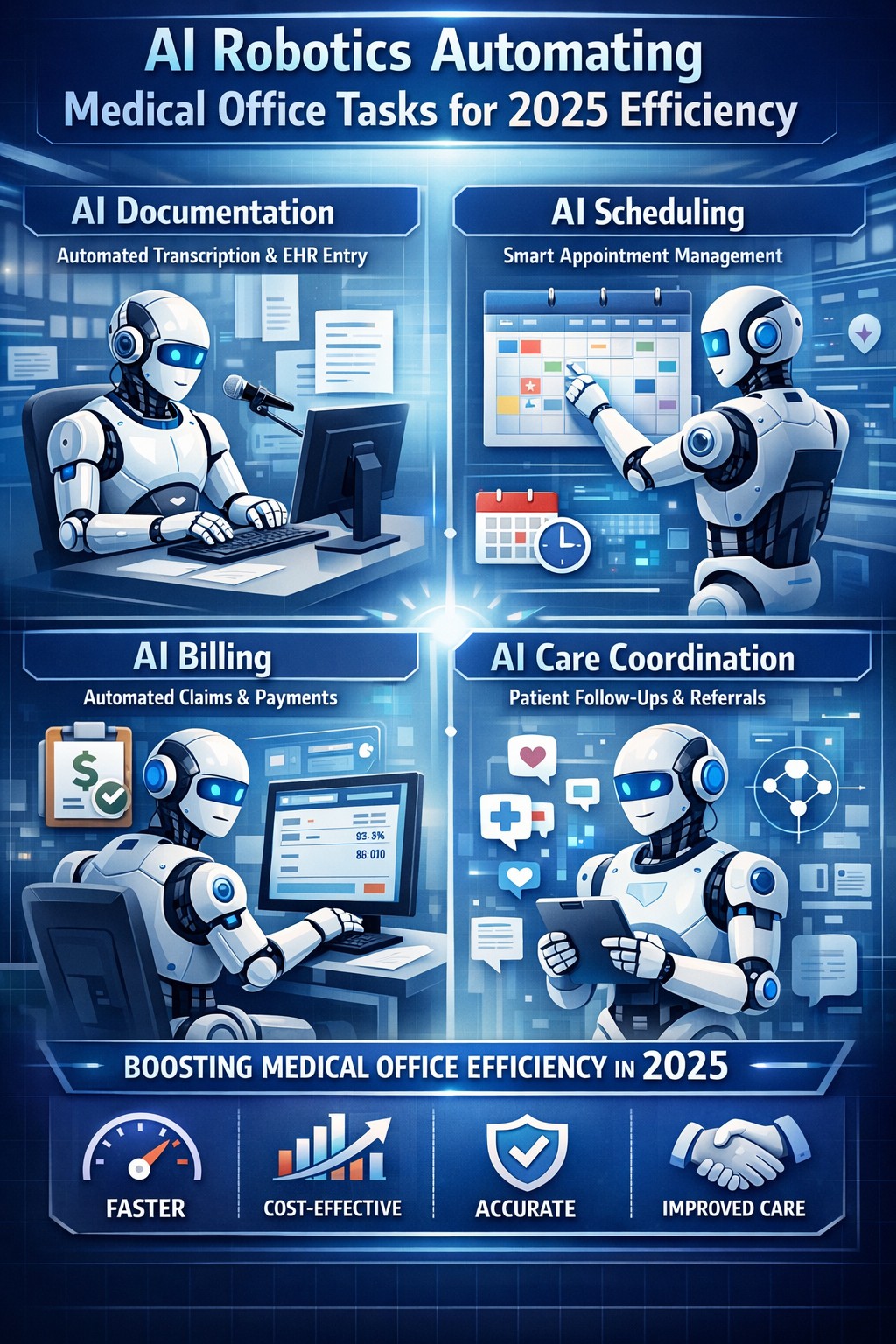
Future medical office automation using AI robotics for streamlined clinical workflows and patient care
The healthcare industry is undergoing a profound transformation, and nowhere is this more evident than in the adoption of robotics and automation within medical office workflows. For doctors and office managers, understanding these changes is crucial-not just for staying ahead of the curve, but for delivering better patient care and optimizing staff efficiency.
How Robotics and Automation Are Changing Medical Offices
Robotics and automation are no longer confined to hospital operating rooms or large healthcare systems. Today, these technologies are making a direct impact on the daily operations of medical offices, from the front desk to the back office.
Administrative Automation: Robotic Process Automation (RPA) is streamlining repetitive administrative tasks such as scheduling, patient intake, billing, and insurance verification. By automating these processes, offices reduce human error, speed up workflows, and free staff to focus on patient care.
Inventory and Supply Chain Management: Automated systems now track inventory levels, reorder supplies, and monitor usage in real time, ensuring critical items are always available and reducing the risk of shortages.
Laboratory and Diagnostic Automation: Automation accelerates sample analysis and integrates lab results with patient records, enabling faster clinical decisions and improved compliance.
Patient Engagement: Self-scheduling platforms, automated reminders, and chatbots are enhancing patient communication, reducing no-shows, and improving satisfaction.
Robotics Beyond the Operating Room
While surgical robots remain a hallmark of advanced healthcare, service robots are now taking on crucial roles in medical offices:
Logistics Robots: Devices like autonomous mobile robots transport supplies, medications, and lab specimens, optimizing internal logistics and freeing up staff time.
Cleaning and Disinfection: Robots equipped with ultraviolet light are being deployed to sanitize exam rooms and waiting areas, reducing infection risks for both patients and staff.
Therapeutic and Social Robots: In some practices, robots assist with patient mobility, rehabilitation, and even provide companionship for elderly patients, supporting both physical and emotional well-being.
Why Embrace Automation Now?
The benefits of robotics and automation for medical offices are clear:
Increased operational efficiency and reduced costs
Enhanced patient safety and reduced risk of infection
Improved staff satisfaction by minimizing burnout and repetitive tasks
Greater accuracy in data management and reporting
Preparing Your Medical Office for the Future
Adopting robotics and automation is not about replacing healthcare professionals-it’s about empowering your team to deliver higher-quality care while minimizing administrative burdens. Leveraging these technologies is becoming essential for practices that want to thrive.
Ready to Future-Proof Your Medical Office?
Farmhouse Networking specializes in helping medical offices implement the latest in automation. Contact us today to discover how we can streamline your workflows, reduce costs, and enhance patient care-so your team can focus on what matters most.
How Small Manufacturers Can Benefit from Smart Technologies
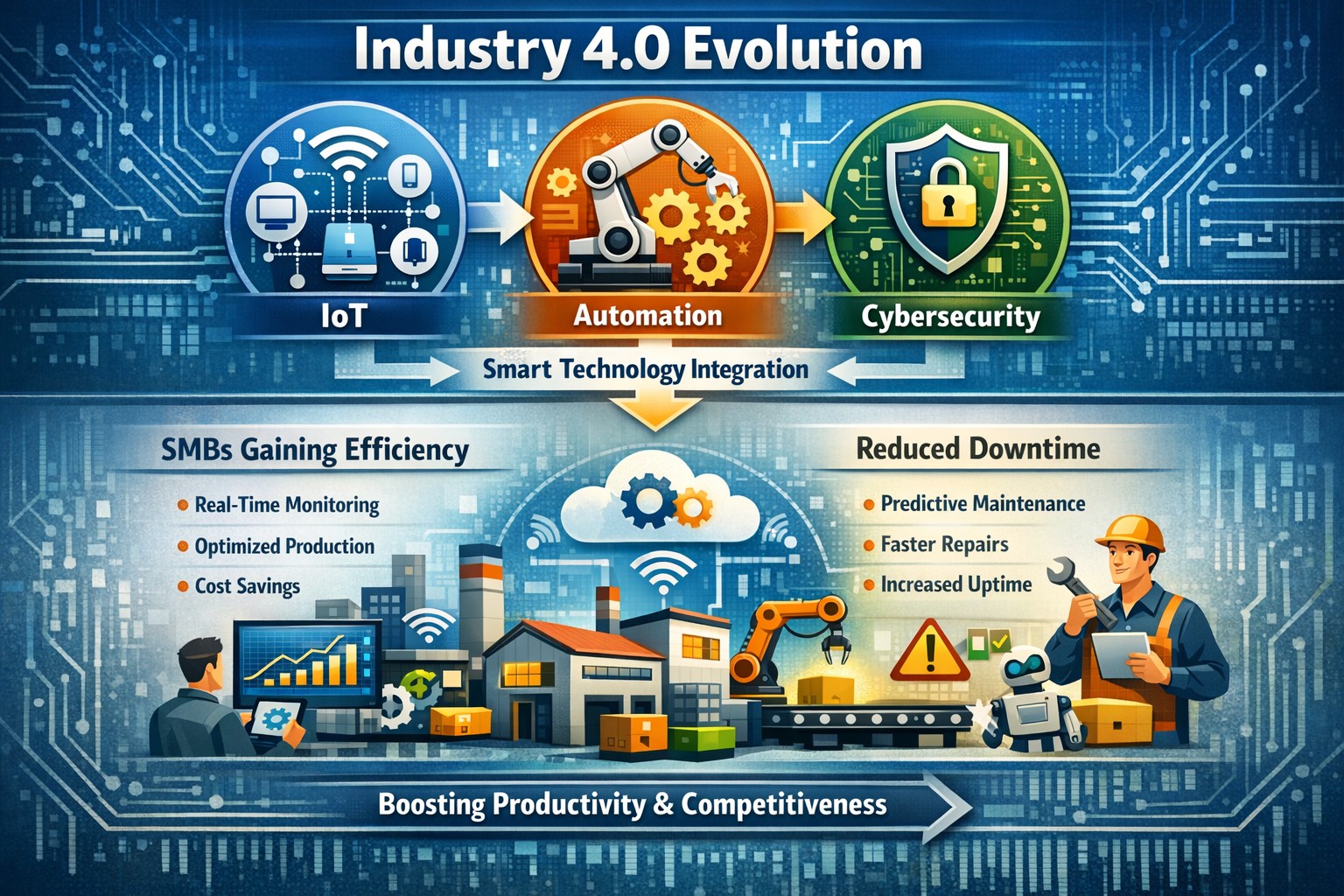
Infographic: Key Industry 4.0 pillars like IoT, AI driving SMB productivity and cost reductions.
Industry 4.0 is at the heart of the rapid transformation of the manufacturing industry. While the term may conjure images of massive, high-tech factories, smart manufacturing technologies are not just for industry giants. Small manufacturers are uniquely positioned to harness the power of Industry 4.0, unlocking new efficiencies, agility, and growth opportunities that were once out of reach.
What Is Industry 4.0?
Industry 4.0 refers to the integration of digital technologies-such as the Internet of Things (IoT), Artificial Intelligence (AI), machine learning, automation, and data analytics-into manufacturing processes. These technologies enable real-time data collection, smarter decision-making, and greater connectivity across the factory floor.
Key Benefits for Small Manufacturers
1. Improved Efficiency and Productivity Smart manufacturing automates repetitive tasks, streamlines workflows, and minimizes manual errors. With real-time monitoring and predictive maintenance, small manufacturers can reduce downtime and keep production running smoothly, leading to higher output and better resource utilization.
2. Cost Reduction and Resource Optimization By leveraging IoT sensors and AI-driven analytics, manufacturers can identify inefficiencies, reduce waste, and optimize energy usage. Predictive maintenance further cuts costs by preventing unexpected equipment failures and extending machinery lifespan.
3. Enhanced Agility and Flexibility Industry 4.0 technologies empower small manufacturers to quickly adapt to changing market demands. Digital tools like 3D printing and flexible automation make it easier to customize products and respond rapidly to customer needs, opening doors to new markets and revenue streams.
4. Superior Quality Control Advanced quality control systems and machine learning models help detect defects early in the production cycle. This minimizes waste, reduces rework, and ensures consistent product quality-strengthening your brand and customer satisfaction.
5. Data-Driven Decision Making With access to real-time data from connected devices, small manufacturers can make informed decisions faster. This visibility enables proactive adjustments, better supply chain management, and strategic planning for long-term growth.
6. Access to Innovation and Collaboration Industry 4.0 levels the playing field, allowing small businesses to adopt cutting-edge technologies and collaborate with partners, research institutions, and technology providers. This fosters innovation and keeps your business competitive in a rapidly changing marketplace.
Smart Technologies Driving the Change
IoT and Sensors: Enable real-time monitoring of equipment and processes.
AI and Machine Learning: Optimize production schedules, predict maintenance needs, and enhance quality control.
Automation and Robotics: Streamline repetitive tasks, reduce labor costs, and improve safety.
3D Printing (Additive Manufacturing): Allows for rapid prototyping and custom, small-batch production.
Augmented Reality (AR) and Digital Twins: Support worker training, remote assistance, and virtual testing of products or processes.
Overcoming Barriers: It’s More Accessible Than You Think
Many small manufacturers worry that Industry 4.0 is too complex or costly. However, the reality is that these technologies are increasingly affordable and scalable. Small steps-like adding IoT sensors or adopting cloud-based analytics-can deliver immediate benefits without the need for massive upfront investments.
“Don’t let the complexities of Industry 4.0 technologies hold you back. Small manufacturers are discovering the transformative power of smart technologies to stay competitive and revolutionize their processes.”
Ready to unlock the full potential of your manufacturing business? Contact Farmhouse Networking today to discover how we can help you embrace Industry 4.0 and achieve smarter, more efficient operations. Let’s build the future of manufacturing-together!
Essential cybersecurity measures safeguarding accounting client data from breaches and compliance risks
Accounting firms are more vulnerable than ever to cyber threats. With sensitive financial data at stake, ensuring robust cybersecurity measures is not just a regulatory requirement but also a cornerstone of client trust and business continuity. This guide outlines the cybersecurity essentials every accounting practice must implement to safeguard client data effectively.
Why Cybersecurity Matters for Accounting Firms
Accounting firms handle vast amounts of sensitive information, from social security numbers to financial records. A breach can result in:
Financial Loss: Cyberattacks like ransomware can lead to significant monetary damage.
Legal Penalties: Non-compliance with regulations such as GDPR, SOX, or PCI DSS can result in hefty fines.
Reputation Damage: Losing client trust can have long-term repercussions on your firm’s credibility.
Key Cybersecurity Practices for Accounting Firms
Understand Your Threat Landscape
Cyber threats like phishing, ransomware, and social engineering are common in the financial sector. Stay informed about emerging risks and trends.
Train Your Team
Educate employees on recognizing phishing attempts, safe browsing habits, and secure data handling practices. Human error remains one of the leading causes of breaches.
Comply with Regulations
Ensure compliance with industry standards like GDPR and SOX by implementing necessary controls and documenting your cybersecurity measures.
Implement Access Controls
Limit access to sensitive data based on roles. Use multi-factor authentication (MFA) and encryption to secure files and systems.
Use Reliable Accounting Software
Invest in software with strong encryption, automated security features, and compatibility with your firm’s processes. This ensures both efficiency and security.
Regular Backups
Maintain encrypted backups of all critical data to mitigate the impact of potential breaches or system failures.
Secure Your Network
Use firewalls, antivirus software, and endpoint detection systems to protect your network from unauthorized access.
Patch Management
Regularly update all software and systems to close vulnerabilities that hackers could exploit.
The Role of Professional IT Support
While implementing these measures is essential, managing them effectively requires expertise. Partnering with a trusted IT service provider ensures that your cybersecurity strategy is robust, up-to-date, and aligned with your business needs.
Why Choose Farmhouse Networking?
Farmhouse Networking specializes in providing tailored IT solutions for small to medium-sized businesses, including accounting firms. With years of experience in cybersecurity, network maintenance, and compliance support, we ensure your firm is protected against evolving threats while maintaining operational efficiency.
Don’t leave your clients’ data vulnerable to cyber threats. Contact Farmhouse Networking today to develop a customized cybersecurity plan that protects your firm’s integrity and builds trust with your clients. Let us help you focus on what you do best—managing finances—while we handle your IT needs!
Small and medium-sized businesses (SMBs) are increasingly adopting cloud technologies to streamline operations, improve scalability, and reduce costs. However, with this shift comes a growing risk of cyberattacks targeting cloud environments. For SMBs, which often lack extensive IT resources, these threats can be devastating. Enter Security Information and Event Management (SIEM) solutions—a powerful tool that can help SMBs safeguard their cloud infrastructure.
Why SMBs Are Vulnerable to Cloud Attacks
SMBs face unique challenges when it comes to cybersecurity:
Limited IT Resources: Many SMBs lack dedicated security teams or the expertise to monitor and respond to threats.
Budget Constraints: Investing in enterprise-grade security tools can be prohibitively expensive.
Sophisticated Threats: Cybercriminals are increasingly targeting SMBs, knowing they may have weaker defenses compared to larger enterprises.
Cloud environments add another layer of complexity, as they introduce new vulnerabilities such as misconfigured settings, unauthorized access, and data breaches. Without proper monitoring and response mechanisms in place, these risks can spiral out of control.
How a SIEM Solution Protects Your Cloud Environment
A SIEM solution offers a centralized platform for monitoring, detecting, and responding to cybersecurity threats in real time. Here’s how it specifically benefits SMBs:
Centralized Threat Monitoring: SIEM consolidates security data from various sources—cloud applications, firewalls, endpoint devices, and more—into a single dashboard. This holistic view allows SMBs to monitor their entire cloud environment efficiently.
Early Detection of Threats: By analyzing data in real time and applying advanced correlation rules, a SIEM detects suspicious activities such as unauthorized logins or unusual data transfers. Early detection helps SMBs act swiftly before an attack escalates.
Automated Incident Response: Many SIEM solutions offer automated responses to mitigate threats immediately. For example, they can isolate compromised systems or block malicious IP addresses without human intervention. This is particularly valuable for SMBs with lean IT teams.
Simplified Compliance: Meeting regulatory requirements like GDPR or HIPAA can be daunting for SMBs. A SIEM simplifies this by automating compliance reporting and maintaining detailed audit logs. This not only ensures legal compliance but also builds customer trust.
Cost-Effective Security: Cloud-based SIEM solutions are particularly well-suited for SMBs because they reduce the need for expensive on-premises infrastructure. Subscription-based models make enterprise-level security accessible without breaking the bank.
Scalability: As your business grows, so do your cybersecurity needs. Modern SIEM solutions are highly scalable, allowing SMBs to adapt their security posture without overhauling their existing systems.
Choosing the Right SIEM Solution for Your Business
When selecting a SIEM solution for your SMB, consider the following:
Ease of Use: Opt for a user-friendly interface that doesn’t require extensive training.
Cloud Compatibility: Ensure the solution integrates seamlessly with your existing cloud infrastructure.
Automation Features: Look for automated threat detection and response capabilities.
Cost Transparency: Choose a provider with predictable pricing models to avoid unexpected costs.
Cybersecurity is no longer optional—it’s essential for protecting your business’s reputation and bottom line. A robust SIEM solution is your first line of defense against attacks on your cloud environment.
Don’t wait until it’s too late! Contact us today to learn how our tailored SIEM solutions can safeguard your business from evolving cyber threats. Let’s secure your future together!
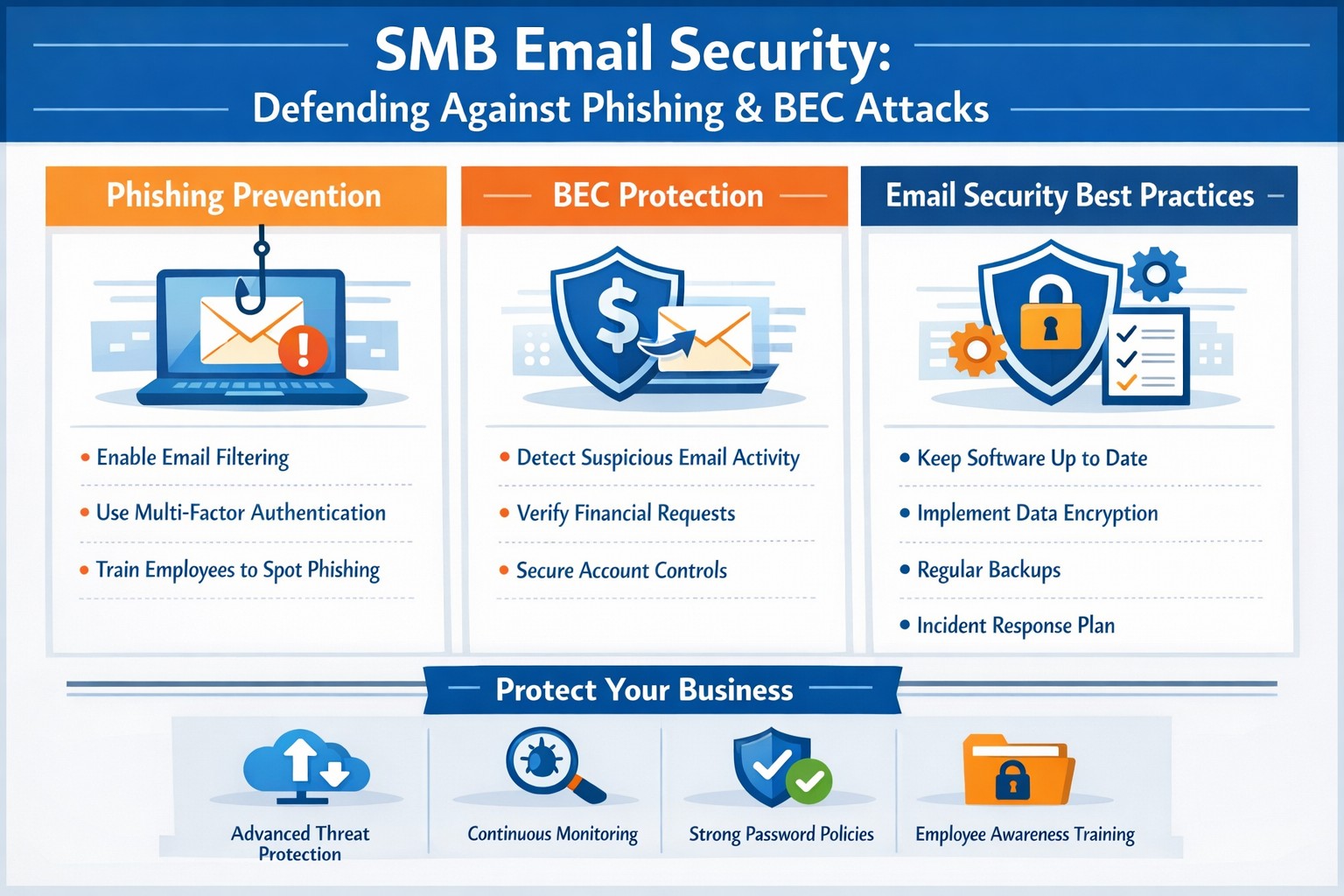
Strategies securing small business inboxes from phishing and BEC gateway attacks
Email is the backbone of communication for small and medium-sized businesses (SMBs). You use it for everything from sending invoices to internal memos, making your business heavily reliant on this tool. However, this reliance also makes you vulnerable to cyber threats, especially Business Email Compromise (BEC) attacks, which are increasingly targeting SMBs. These attacks can have devastating consequences, but with the right email security measures, you can protect your business from falling victim.
Understanding the Threat: Phishing and BEC
Phishing is a cybercrime that uses deceptive emails to trick individuals into revealing sensitive information or taking harmful actions. These emails often look like they come from legitimate sources, such as banks or well-known companies, but they are actually designed to steal your data.
Business Email Compromise (BEC) is a sophisticated type of phishing attack where cybercriminals impersonate trusted individuals within a company to trick employees into transferring money, sharing sensitive data, or granting access to critical systems. BEC scams often target individuals in finance, human resources, or operations, with the goal of initiating fraudulent transactions or stealing confidential information. According to the FBI, there are five primary types of BEC attacks.
BEC attacks are particularly effective because they exploit human psychology. Attackers rely on impersonating authority figures, creating a sense of urgency, or crafting highly convincing emails to make employees act without questioning.
Email is the number one attack vector, responsible for 90% of phishing incidents. In 2023, BEC attacks led to $3 billion in losses.
Why SMBs are Prime Targets
While large corporations invest heavily in cybersecurity, SMBs are often more vulnerable. Cybercriminals view smaller businesses as easier targets due to their typically less robust security measures and lower awareness of emerging threats.
Here’s why SMBs are at greater risk:
Limited Cybersecurity Resources: Many SMBs have limited budgets for cybersecurity and often lack dedicated IT teams to monitor email systems for suspicious activity.
Employee Vulnerability: Employees in SMBs may not be as well-trained in spotting phishing attempts or recognizing the signs of a BEC scam.
Lack of Email Security Awareness: Small businesses may overlook the importance of securing business email accounts with multi-factor authentication (MFA) and other safeguards, leaving them exposed to attacks.
Simple Steps to Bolster Your Email Security
Employee Training: Regularly train employees to recognize and respond to threats. Run security awareness training to help your team spot phishing attempts and other common threats. Use simulated phishing exercises to test their readiness, uncover weak spots, and highlight potential weaknesses.
Multi-Factor Authentication (MFA): Add an extra layer of security to your email accounts with multi-factor authentication (MFA).
Advanced Email Filters: Use advanced spam filters to detect and block phishing emails before they reach your employees’ inboxes. Scan links automatically to spot anything suspicious.
Email Encryption: Encrypt emails, both in transit and at rest, to prevent unauthorized access.
Regular Security Audits: Schedule regular audits to spot vulnerabilities and keep an eye out for unauthorized access. Take time to review your email system’s settings, permissions, and logs for anything unusual.
Incident Response Plan: Prepare for email threats with a clear, actionable response plan. Outline the steps to contain, investigate, and recover from incidents, so your team knows exactly what to do
Cybercrime is a business, not a hobby, and incredibly lucrative. Taking a proactive approach to email security is essential for protecting sensitive information, preventing data breaches, and maintaining trust with your team and clients.
Is your business protected? Contact Farmhouse Networking today for a comprehensive email security solution tailored to your SMB’s unique needs. Don’t let your inbox be a gateway for cybercrime!
And God will generously provide all you need. Then you will always have everything you need and plenty left over to share with others. As the Scriptures say, “They share freely and give generously to the poor. Their good deeds will be remembered forever.” For God is the one who provides seed for the farmer and then bread to eat. In the same way, he will provide and increase your resources and then produce a great harvest of generosity in you. - 2 Corinthians 9:8-10
We use cookies to ensure that we give you the best experience on our website. If you continue to use this site we will assume that you are happy with it.