Cloud solutions streamline charity IT for maximum impact and minimal costs.
Charities and nonprofit organizations can significantly enhance their impact and operational efficiency by optimizing their IT infrastructure. By strategically leveraging technology, these organizations can streamline workflow, improve communication, and ultimately better serve their mission and constituents.
Aligning Technology with Organizational Goals
The first step in optimizing IT infrastructure is to ensure that technology initiatives are aligned with the charity’s overall objectives. This alignment is crucial for several reasons:
– It ensures that technology investments directly contribute to the organization’s mission – It helps prioritize IT projects based on their potential impact – It allows for more effective allocation of limited resources
To achieve this alignment, charities should involve key stakeholders, including staff, volunteers, and board members, in the IT strategy development process. This collaborative approach ensures that diverse perspectives are considered and that the resulting strategy addresses the needs of all parts of the organization.
Assessing Current Infrastructure and Capabilities
Before implementing new technologies, it’s essential for charities to evaluate their existing IT infrastructure. This assessment should cover:
– Hardware and software inventory – Network capabilities – Data storage and management systems – Security measures
By understanding the current state of their IT infrastructure, charities can identify gaps, inefficiencies, and areas for improvement. This information forms the foundation for developing a comprehensive IT strategy that addresses the organization’s specific needs and challenges.
Embracing Cloud-Based Solutions
Many nonprofits are transitioning from legacy on-premise systems to cloud-based services, which offer numerous advantages:
– Scalability: Cloud services can easily grow with the organization – Cost-effectiveness: Pay-as-you-go models reduce upfront costs – Flexibility: Access to data and applications from anywhere – Automatic updates: Ensures the organization always has the latest features and security patches
For example, Microsoft Office 365 provides powerful tools for data analysis and collaboration, enabling charities to gain valuable insights from donor data and improve fundraising strategies.
Prioritizing Security and Data Protection
Given the sensitive nature of the data handled by charities, including donor information and financial records, security should be a top priority in their IT strategy. Key security measures to consider include:
– Implementing robust firewalls and next-gen antivirus software – Regularly updating and patching systems – Encrypting sensitive data – Providing staff training on cybersecurity best practices – Developing and enforcing data privacy policies
By prioritizing security, charities can protect their reputation, maintain donor trust, and avoid costly data breaches.
Implementing Effective IT Governance
To ensure the ongoing success of IT initiatives, charities should establish clear governance structures and support mechanisms. This includes:
– Defining roles and responsibilities for IT management – Creating processes for handling IT requests and incidents – Establishing an IT committee or designating a dedicated IT staff member – Developing policies for technology use and data management – Consider out-sourcing IT management to lower maintenance costs
Effective IT governance helps ensure that technology continues to serve the organization’s needs and that resources are used efficiently.
Addressing Technical Debt
Many nonprofits accumulate technical debt over time by choosing quick or cheap solutions over more sustainable options. To address this issue:
– Conduct regular audits of IT infrastructure – Identify and replace outdated or inefficient systems – Invest in modernization to reduce long-term maintenance costs and security risks
While addressing technical debt may require upfront investment, it can lead to significant cost savings and improved performance in the long run.
Navigating the complex world of IT infrastructure optimization can be challenging, especially for charities with limited resources. That’s where Farmhouse Networking comes in. Our team of experts specializes in helping nonprofit organizations leverage technology to maximize their impact and efficiency.
Ready to transform your charity’s IT infrastructure? Here’s how Farmhouse Networking can help:
Conduct a comprehensive assessment of your current IT setup
Develop a tailored strategy aligned with your organizational goals
Implement cost-effective cloud solutions to enhance flexibility and scalability
Strengthen your cybersecurity measures to protect sensitive data
Provide ongoing support and maintenance to ensure optimal performance
Don’t let outdated technology hold your charity back. Contact Farmhouse Networking today to schedule a free consultation. Together, we can harness the power of technology to amplify your mission and make a greater difference in the world. Call us at (541) 761-9549 or visit www.farmhousenetworking.com to get started on your IT optimization journey.
Let’s empower your charity with the right technology solutions. Reach out now and take the first step towards a more efficient, secure, and impactful future.
Use clear metrics like response time, uptime, and customer satisfaction to see if your IT provider is truly doing their job.
Businesses heavily rely on their IT providers to ensure smooth operations, enhance productivity, and safeguard data. However, determining whether your IT provider is doing their job effectively can be challenging. Here are some key indicators and evaluation criteria to help you assess their performance.
Quality of Service
1. Response Time and Resolution: A reliable IT provider should have short response times and lasting resolutions. Track how quickly they respond to issues and how often they resolve problems on the first attempt. Consistent delays or repeat issues may indicate they aren’t able to take care of your business properly.
2. Service Quality and Expertise: Evaluate the technical expertise of your IT provider. They should have a proven track record and relevant industry experience. Their ability to manage complex IT environments and provide innovative solutions is crucial.
Cost and Value
1. Cost Structure: Analyze the cost of your IT services, focus on the overall value of what they provide. A transparent pricing model with no hidden fees is also preferable.
2. Budget Management: Your IT provider should help you maintain a predictable IT budget. Proactive management of IT infrastructure should prevent unexpected costs and downtime.
Reliability and Security
1. Uptime and Availability: Assess the reliability of your IT provider in terms of network uptime and system availability. Downtime can lead to significant business losses, so aim for a provider with strong customer centric service level agreements (SLAs) that guarantee high uptime.
2. Security Measures: Inquire about the provider’s security protocols and compliance with regulations like PCI, CMMC, or HIPAA. A comprehensive security framework is essential to protect sensitive data from cyber threats .
Communication and Support
1. Communication Channels: Evaluate the effectiveness of the provider’s communication. They should offer multiple channels for support and maintain open, proactive communication about system updates or maintenance. You should not have to call them for issue status.
2. Customer Support: A dedicated support team can significantly enhance the user experience. Ensure that your provider offers readily available customer support and is responsive to inquiries .
Strategic Alignment
1. Business Understanding: Your IT provider should demonstrate an interest in your business strategy and goals. They should be involved in strategic discussions and provide technology solutions that align with your long-term objectives.
2. Flexibility and Scalability: The ability to customize services to meet your unique needs and scale them as your business grows is a valuable trait in an IT provider. This flexibility can enhance the overall value of their services. Your company should not have to bend to their technology stack.
Regular assessments and open communication with your provider can help ensure that they continue to meet your evolving needs. If you have doubts about your current IT provider, contact Farmhouse Networking to provide a free network evaluation.
Secure your patient data with HIPAA-compliant managed IT: encryption, access controls, and continuous monitoring.
Ensuring the privacy and security of patient information is paramount. The Health Insurance Portability and Accountability Act (HIPAA) sets stringent standards for protecting sensitive patient data. For medical practices, staying compliant with HIPAA regulations can be a daunting task, especially with the increasing complexity of IT systems. This is where a Managed IT Service Provider (MSP) can play a crucial role. In this blog, we’ll explore how partnering with an MSP can help your medical practice remain compliant with HIPAA regulations for data privacy and security.
Understanding HIPAA Compliance
HIPAA compliance involves adhering to a set of rules and regulations designed to safeguard Protected Health Information (PHI). These rules are divided into several key areas:
Privacy Rule: Governs the use and disclosure of PHI.
Security Rule: Establishes standards for protecting electronic PHI (ePHI) through administrative, physical, and technical safeguards.
Breach Notification Rule: Requires covered entities to notify affected individuals, the Secretary of Health and Human Services (HHS), and, in some cases, the media, of a breach of unsecured PHI.
Enforcement Rule: Outlines the penalties for non-compliance and the procedures for investigations and hearings.
The Role of Managed IT in HIPAA Compliance
A Managed IT Service Provider can offer a range of services that help ensure your medical practice remains compliant with HIPAA regulations. Here are some key ways an MSP can assist:
Risk Assessment and Management: HIPAA requires regular risk assessments to identify potential vulnerabilities in your IT systems. An MSP can conduct comprehensive risk assessments to:
Identify and evaluate risks to ePHI.
Implement measures to mitigate identified risks.
Continuously monitor and update risk management strategies.
Data Encryption and Secure Communication: Encrypting ePHI is a critical component of HIPAA compliance. An MSP can implement robust encryption protocols to ensure that data is protected both at rest and in transit. Additionally, they can set up secure communication channels, such as encrypted email, secure messaging platforms, and encrypted file sharing, to protect sensitive information.
Access Control and Authentication: HIPAA mandates strict access controls to ensure that only authorized personnel can access ePHI. An MSP can help by:
Implementing role-based access controls (RBAC).- all users in a group and only specific groups get access to specific things
Setting up multi-factor authentication (MFA) to add an extra layer of security.
Regularly reviewing and updating access permissions.
Backup and Disaster Recovery: Data loss can have severe consequences for HIPAA compliance. An MSP can design and implement a robust backup and disaster recovery plan to ensure that ePHI is regularly backed up and can be quickly restored in the event of data loss or a cyberattack.
Security Awareness Training: Human error is a significant factor in many data breaches. An MSP can provide ongoing security awareness training for your staff to:
Educate them about HIPAA regulations and the importance of data privacy.
Teach best practices for identifying and responding to potential security threats.
Conduct regular phishing simulations to test and improve staff vigilance.
Continuous Monitoring and Incident Response: HIPAA requires continuous monitoring of IT systems to detect and respond to security incidents promptly. An MSP can offer:
24/7 monitoring of your IT infrastructure.
Advanced threat detection and response solutions.
Incident response planning and execution to minimize the impact of security breaches.
Benefits of Partnering with a Managed IT Provider
Partnering with an MSP for HIPAA compliance offers several benefits:
Expertise: MSPs have specialized knowledge and experience in healthcare IT and HIPAA regulations.
Cost-Effectiveness: Outsourcing IT management can be more cost-effective than maintaining an in-house IT team.
Focus on Core Activities: With IT management in the hands of experts, your medical practice can focus on providing quality patient care.
Scalability: MSPs can scale their services to meet the growing needs of your practice.
Ensuring HIPAA compliance is a complex but essential task for any medical practice. By partnering with a Managed IT Service Provider, you can leverage their expertise and resources to safeguard patient data, mitigate risks, and maintain compliance with HIPAA regulations. This not only protects your practice from potential penalties but also builds trust with your patients, knowing their sensitive information is in safe hands. For medical practices looking to navigate the intricacies of HIPAA compliance, a Managed IT Service Provider like Farmhouse Networking can be an invaluable ally in maintaining the highest standards of data privacy and security.
CrowdStrike Falcon update triggers massive IT outage across cloud services
The recent CrowdStrike IT outage on July 19, 2024, caused by a defective update for Windows, serves as a stark reminder of the importance of managing IT infrastructure and proactive measures to prevent system downtime. While no system is entirely immune to outages, there are several strategies businesses can implement to minimize the risk and impact of such incidents.
Key Strategies to Prevent IT Outages
Improve Continuous Integration / Continuous Deployment (CI/CD) Practices: One of the most effective ways to prevent outages caused by software updates is to enhance CI/CD practices. This approach involves:
Automating the testing and deployment process
Implementing rigorous quality assurance checks
Using staging environments to test updates before full deployment
Gradually rolling out updates to detect issues early
By improving CI/CD practices, businesses can catch potential issues before they affect the entire network, reducing the likelihood of widespread outages.
Implement Comprehensive Load / Failure Testing: Regular load testing is crucial to ensure that systems can handle typical use cases and determine their potential in high use scenarios. A game plan should also be put in place for when systems fail to map out the road to recovery. This involves:
Simulating various levels of user activity
Identifying performance bottlenecks
Optimizing system architecture and configuration
Preparing for crisis scenarios, such as partial resource failures
Practice response to system failures before they become reality
Load / failure testing helps businesses understand their system’s limitations and address potential issues before they lead to outages.
Ensure Proper Scalability: As businesses grow, their IT infrastructure must be able to scale accordingly. This includes:
Designing systems with future growth in mind
Utilizing cloud technologies for flexible resource allocation
Regularly reviewing and updating system architecture
Implementing efficient systems that can handle increased business
Proper scalability ensures that systems can continue to function effectively as demand increases, reducing the risk of outages due to overload.
Enable Automatic Updates with Caution: While automatic updates can help keep systems secure and up-to-date, they should be implemented carefully. Best practices include:
Testing updates in a controlled environment before widespread deployment
Staggering updates across different system components
Having a rollback plan in case of issues
Monitoring systems closely after updates are applied
Automatic updates can help prevent security vulnerabilities, but they must be managed carefully to avoid introducing new issues.
Implement Comprehensive Monitoring: A robust monitoring system is essential for detecting and addressing potential issues before they escalate into outages. This includes:
Using a centralized monitoring platform for all IT infrastructure
Outsourcing it management is resources are not available
Setting up alerts for unusual system behavior or performance metrics
Implementing predictive analytics to identify potential issues early
Regularly reviewing and updating monitoring parameters
Comprehensive monitoring allows businesses to take a proactive approach to system management, reducing the risk of unexpected outages.
Conduct Regular Employee Training: Human error is a common cause of IT outages. Regular employee training can help mitigate this risk. Training should cover:
Best practices for system usage
Recognizing and reporting potential security threats
Proper procedures for applying updates and patches
Emergency response protocols in case of system issues
Well-trained employees are less likely to make mistakes that could lead to outages and are better equipped to respond effectively when issues do occur.
Don’t let IT outages disrupt your business. Take action now to protect your company’s technology infrastructure. Call Farmhouse Networking today at (541) 761-9549 to schedule a comprehensive IT assessment and learn how our expert team can implement strategies to prevent costly downtime. Secure your business’s future with proactive IT management.
Safeguarding your business data is paramount. Cyber threats are ever-evolving, and data breaches can have severe consequences. To fortify your business defenses, consider implementing the following security and encryption tools:
Operating System Encryption
Encryption is the process where normal data is transformed into something unreadable without the keys unlock it. Windows has encryption built in using BitLocker software in conjunction with modern hardware to keep data safe on physical hard drives. In case a computer is stolen or lost the data is unreadable (assuming the password protecting the computer is strong).
Virtual Private Network / Zero Trust Network Access
Whenever employees are remote or working from home they need to be able to connect to company resources without endangering company data. This is best done through Zero Trust Network Access (ZTNA) which is the next-gen replacement for the older virtual private network connection ZTNA assumes that all connections are threats unless proven otherwise and those who are connecting must have their computers tested to make sure they are safe. This approach also only allows users to connect to the resources that are specifically needed to function.
Antivirus / Extended Detection and Response
One key to staying cyber secure is to recognize and repel threats before they do any damage. Utilizing AI and automation extended detection and response (XDR) is the modern replacement for antivirus. It is able to detect behavior patterns that malicious software and hackers use when attacking your systems then automatically undue any changes they have made.
Email Encryption and SPAM Filtering
When sending sensitive data via email it is now the standard to send it via encrypted channels with each message also being encrypted. Most companies that provide encryption also provide SPAM filtering which keeps phishing, spoofing, and malicious emails from targeting employees. This is often the most effective means hackers use to gain a foot hold in networks.
Backups
There will inevitably be times when hackers are able to breach even the best defenses, so the only recourse at that time is to have good backups in multiple locations to recover once the attacker is repelled. Without good backups many companies have had to pay ransoms and hope for a response or go out of business.
Remember, data security is an ongoing process. Combine these tools with user education and strong password practices,. Stay vigilant, adapt to new threats, and invest wisely in protecting your digital assets and reputation. Call Farmhouse Networking to advise you on how to best secure your business.
Streamline client maintenance via RMM automation and AI at Farmhouse Networking
Farmhouse Networking (FHN) is constantly looking for ways to enhance the services that we offer to our clients. Automation and artificial intelligence (AI) are two technologies that have emerged to streamline this process.
FHN uses automation to manage tasks that are typically performed manually, such as system configuration, software installation, and server maintenance. By automating these tasks, FHN can prevent human error and ensure that their clients’ systems remain up to date and secure.
In addition, FHN uses AI to monitor clients’ systems for potential issues, such as hardware failure, security breaches, or performance issues. AI-powered systems can analyze data to detect patterns or anomalies that may indicate a problem, allowing FHN to act quickly based on this laser focused data to prevent downtime or data loss.
Contact us today to learn how Farmhouse Networking can future-proof your network with our innovative maintenance solutions.
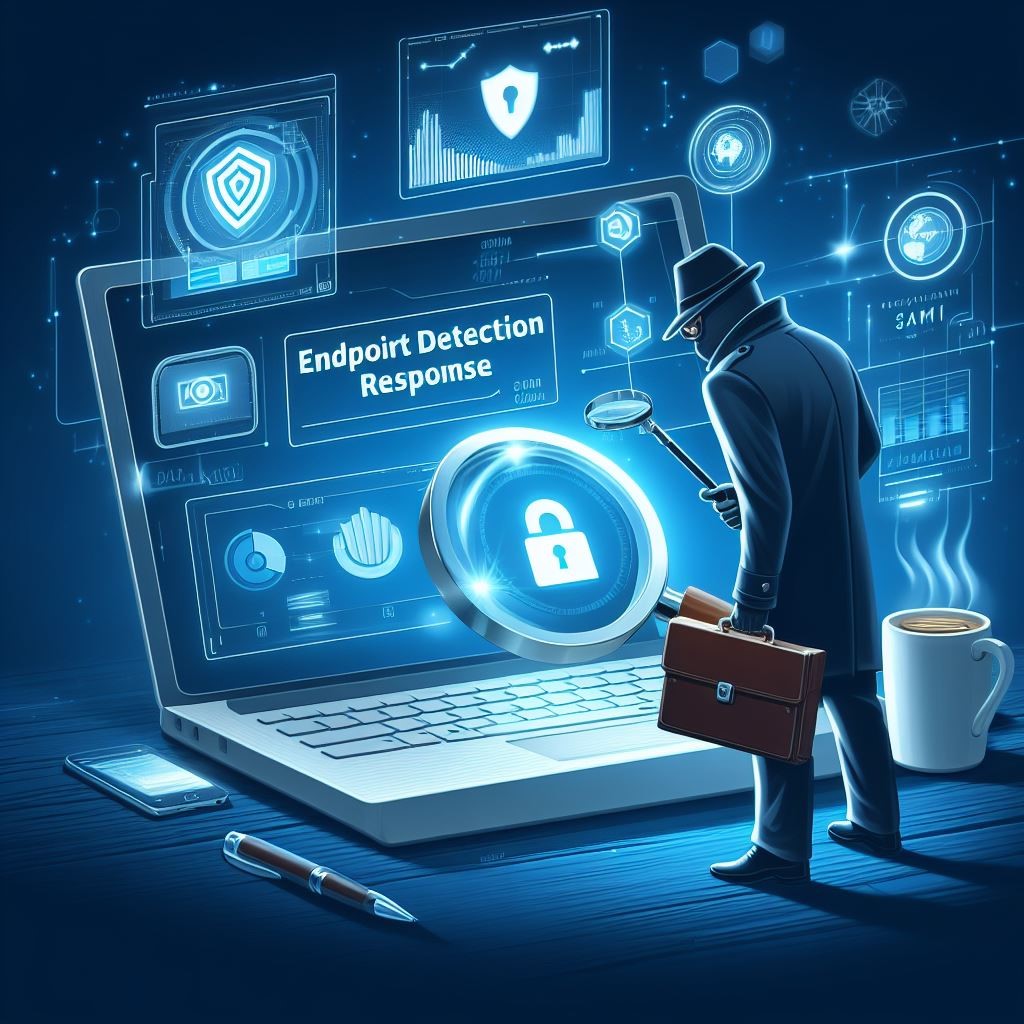
EDR provides SMBs with real-time endpoint monitoring, automatic threat quarantine, and rapid incident response to minimize breaches.
Cybersecurity is more important than ever. Cyber threats are evolving and becoming increasingly sophisticated, making it essential for small and medium-sized businesses (SMBs) to protect their sensitive information. One crucial tool in the cybersecurity arsenal is Endpoint Detection & Response (EDR). In this article, we will explore why SMBs should prioritize EDR and the benefits it brings to their cybersecurity posture.
Understanding Endpoint Detection & Response
Endpoint Detection & Response (EDR) is a proactive cybersecurity solution that focuses on detecting, investigating, and mitigating advanced threats at the endpoint level. Endpoint refers to any device connected to a network, such as laptops, desktops, servers, or even mobile devices. EDR solutions monitor endpoints in real-time, collecting and analyzing data to identify and respond to suspicious activities or potential security breaches.
The Rising Threat Landscape for SMBs
SMBs often mistakenly believe that they aren’t attractive targets for cybercriminals due to their size. However, the reality is quite different. In fact, SMBs are increasingly being targeted by cybercriminals because they often have fewer resources dedicated to cybersecurity, making them an easier target. According to recent studies, nearly half of all cyberattacks target SMBs.
Moreover, the consequences of a successful cyberattack on an SMB can be devastating. From financial loss to reputational damage, the impact can be significant, and in some cases, even cause businesses to shut down. This highlights the urgent need for SMBs to invest in robust cybersecurity measures, such as EDR.
The Benefits of Endpoint Detection & Response for SMBs
Real-time Threat Detection: EDR solutions provide continuous monitoring of endpoint activities, enabling real-time threat detection. By analyzing behavioral patterns and indicators of compromise, EDR can quickly identify potential threats, allowing businesses to respond promptly and mitigate risks before they result in data breaches or system compromises.
Improved Incident Response Capabilities: EDR not only detects threats but also provides valuable insights to aid in incident response. It records endpoint activity logs, allowing security teams to investigate incidents, identify root causes, and take appropriate action to contain and remediate the threat effectively.
Visibility and Control: SMBs often struggle with limited visibility into their IT environments. EDR solutions provide deeper visibility into endpoints across the network, allowing IT teams to identify vulnerabilities, enforce security policies, and ensure compliance with regulatory requirements.
Proactive Threat Hunting: EDR empowers SMBs to take a proactive approach to cybersecurity by actively hunting for potential threats. By leveraging advanced detection techniques and threat intelligence, EDR can identify and mitigate emerging threats even before they have a chance to impact the organization.
Simplified Security Operations: Automating threat detection and response processes frees up valuable time for IT teams, enabling them to focus on other critical tasks. EDR solutions can automatically contain and remediate threats, reducing the burden on IT staff and improving overall efficiency.
Overcoming Challenges in Implementing EDR
While EDR offers immense benefits, implementing and managing EDR solutions can pose challenges for SMBs. Common obstacles include limited budgets and resources, the complexity of deployment, and the need for ongoing monitoring and maintenance. However, by partnering with a reliable cybersecurity provider, like Farmhouse Networking, that understands the unique needs of SMBs, these challenges can be overcome and the full potential of EDR can be realized.
It is not a matter of if you will be targeted, but when. Let Farmhouse Networking take proactive steps to secure your endpoints and fortify your cybersecurity defenses with EDR.
Enhance business cybersecurity defenses using advanced website filtering from Farmhouse Networking.
Businesses are faced with an ever-growing number of cybersecurity threats. One effective method to protect your organization’s sensitive data and network is implementing website filtering. Website filtering solutions offer businesses an essential tool to manage and safeguard their networks, ensuring employees are protected from accessing malicious or inappropriate websites. We will explore the importance of website filtering for business cybersecurity and provide practical insights for implementation.
Understanding Website Filtering:
Website filtering is an advanced security measure that enables organizations to control the websites that can be accessed by their employees. This essential cybersecurity practice helps mitigate risks associated with malware, phishing attacks, and overall data breaches. Through the implementation of website filtering, businesses can proactively manage internet usage, reduce network congestion, and improve productivity.
Benefits of Website Filtering:
Enhanced Network Security: By filtering out potentially harmful websites, businesses can significantly reduce the risk of malware infiltration, phishing attempts, and other cyber threats. Website filtering acts as a vital line of defense, preventing employees from inadvertently accessing websites hosting malicious content and safeguarding sensitive corporate data.
Regulatory Compliance: As the healthcare industry is subject to strict compliance regulations, implementing website filtering can help organizations maintain adherence to industry-specific regulations such as HIPAA. By blocking access to unauthorized websites or content, businesses ensure they are aligning with compliance requirements, reducing the potential for fines or legal repercussions.
Increased Employee Productivity: Unrestricted internet access often leads to time-wasting activities, reducing overall productivity within the organization. With website filtering, businesses can minimize distractions by blocking access to social media platforms, gaming websites, or other non-work-related sites, fostering a more focused work environment.
Bandwidth Optimization: Streaming services and large media files can significantly impact network bandwidth, leading to slower connections and decreased productivity. Website filtering helps alleviate this strain by allowing organizations to control access to bandwidth-intensive websites or file-sharing platforms, optimizing network performance.
Choosing the Right Website Filtering Solution:
When selecting a website filtering solution, organizations should consider the following:
Granular Control: Look for a solution that offers granular control, allowing you to tailor website filtering policies to specific departments or individual users. This flexibility ensures that employees only have access to relevant websites and content necessary for their job roles.
Real-Time Updates: The cybersecurity landscape evolves rapidly, with new threats emerging constantly. Ensure your chosen website filtering solution offers AI powered real-time updates and threat intelligence to protect against the latest risks effectively.
User-Friendly Interface: Implementing a user-friendly website filtering solution simplifies management. Look for a solution with an intuitive interface that enables easy configuration and monitoring of website filtering policies.
Potential Challenges and Mitigation Strategies:
While website filtering can provide numerous benefits, there are potential challenges to consider:
False Positives: Overzealous website filtering policies can sometimes lead to legitimate websites being inaccurately blocked, causing frustration for employees. Regularly review and fine-tune filtering policies to minimize the risk of false positives, striking a balance between security and productivity.
BYOD (Bring Your Own Device) Environments: There is an increasing reliance on personal devices to access corporate networks. Ensure that your website filtering solution extends to cover such devices and effectively enforces security policies, mitigating the risk of potential threats from unsecured devices.
Ongoing Maintenance and Monitoring: Website filtering requires ongoing maintenance and monitoring to ensure optimal performance and adaptability to emerging threats. Assign dedicated IT staff or consider a managed service provider (MSP) like Farmhouse Networking to oversee the implementation, management, and updates of your website filtering solution.
Website filtering is a critical component of any business’s cybersecurity strategy, providing robust protection against web-based threats and enhancing network security. Farmhouse Networking provides website filtering service to all our monthly managed clients at no additional cost. Sign-up today to become cyber secure.
Proactive pentesting safeguards SMBs from cyber threats and ensures compliance
Cyberattacks are on the rise and the cost of data breaches continues to climb – it’s crucial for every organization, regardless of its size, to prioritize cybersecurity. Small and medium-sized businesses (SMBs) often assume they are not attractive targets for hackers due to their perceived limited resources. However, this very assumption can leave them vulnerable to cyber threats. In this blog post, we will explore the value of penetration testing for SMBs and highlight how they can play a crucial role in protecting your business from potential attacks.
Understanding Penetration Tests:
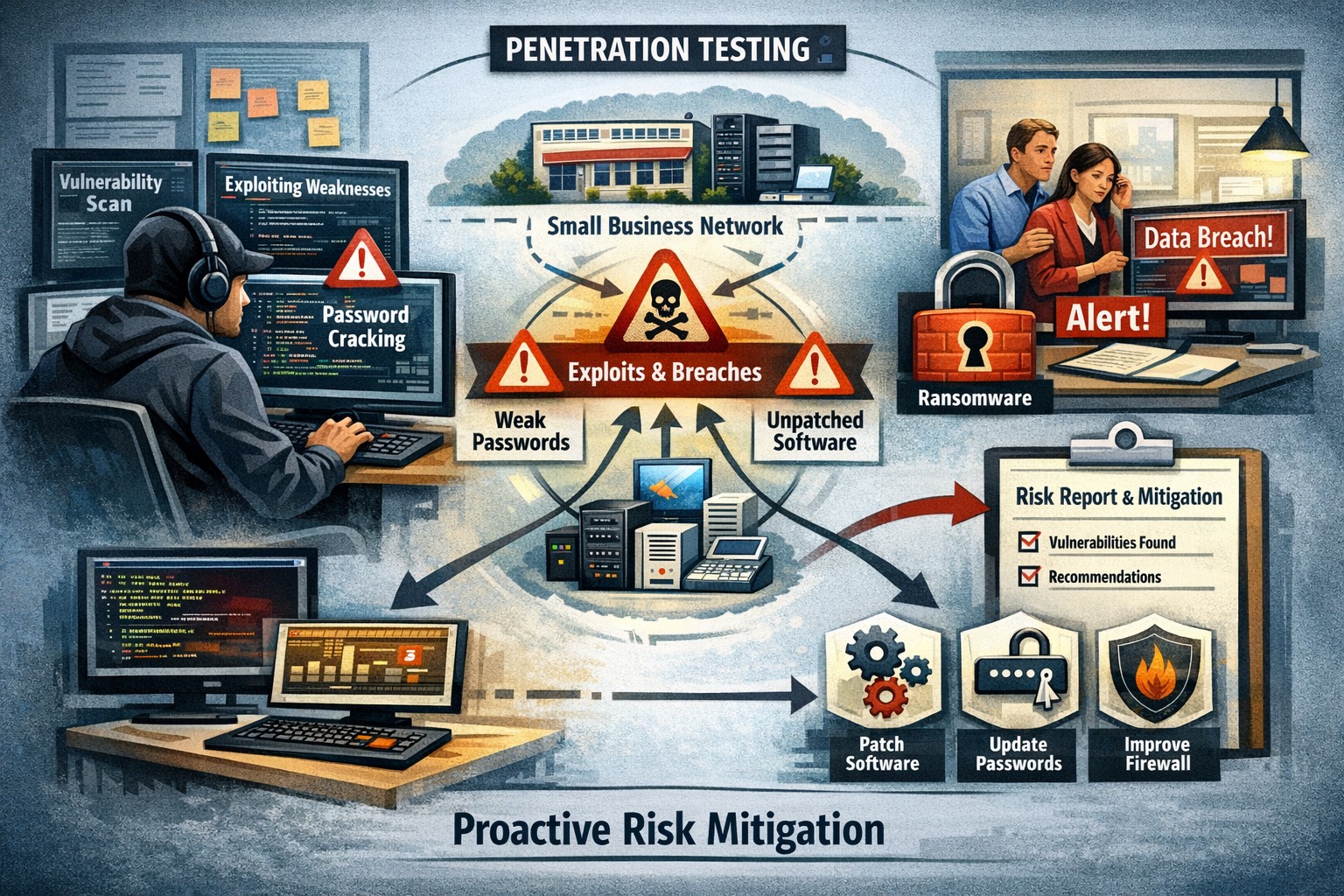
Penetration tests, also known as pentests or ethical hacking, involve simulating real-world cyberattacks on your organization’s systems and networks. This process aims to identify vulnerabilities and weaknesses that could potentially be exploited by malicious actors. By conducting comprehensive testing, you can gain insights into your organization’s security posture, discover any weaknesses, and take proactive measures to mitigate risks.
Value for SMBs:
A common misconception is that penetration tests are only suitable for large enterprises with extensive resources. However, SMBs can significantly benefit from these tests as well. Here are some compelling reasons why penetration tests are valuable for SMBs:
Proactive Defense: Penetration tests allow SMBs to adopt a proactive approach in identifying vulnerabilities and addressing them before malicious actors can exploit them. This helps prevent potential cyberattacks and the subsequent damage to your business, reputation, and customer trust.
Risk Mitigation: SMBs often lack the robust security measures and dedicated teams that larger organizations have. Conducting penetration tests helps identify and prioritize vulnerabilities, allowing you to allocate resources effectively and address the most critical risks within your limited budget.
Compliance Requirements: Many SMBs operate in highly regulated industries such as healthcare, finance, or legal sectors. Compliance standards often require regular security testing, including penetration tests. By conducting such tests, SMBs can demonstrate compliance with industry regulations and avoid potential penalties or legal complications.
Challenges and Considerations:
While penetration tests offer numerous advantages for SMBs, it’s essential to understand and address potential challenges:
Cost: Budget constraints are a common concern for SMBs. However, bear in mind that the potential cost of a data breach or cyberattack can be far more detrimental to your business. Prioritize your security investments wisely and consider partnering with a reputable and cost-effective cybersecurity provider like Farmhouse Networking.
Skill Gap: SMBs may lack in-house expertise to conduct penetration tests. Engaging a skilled and reputable penetration testing firm can provide expert insights and tailor the tests to your specific requirements.
By investing in proactive security measures, SMBs can stay one step ahead of cyber threats and build a resilient foundation for sustained growth and success. Partner with a trusted cybersecurity provider to conduct regular penetration tests and fortify your organization’s security posture.
Navigating DORA changes with robust BYOD MDM for financial resilience
For US financial institutions, regulatory frameworks play a pivotal role in shaping operational protocols, enhancing security measures, and ensuring the resilience of the financial sector against a myriad of risks and vulnerabilities. Among these regulatory frameworks, the Digital Operational Resilience Act (DORA) stands out as a beacon of change, heralding a new era of compliance requirements and operational standards for financial entities.
This comprehensive guide aims to demystify the intricacies of DORA, shedding light on its key provisions, compliance requirements, and the broader implications for information and communication technology (ICT) within the financial sector. We will provide actionable insights into navigating these changes, adopting effective strategies for adaptation, overcoming potential challenges, and adhering to best practices for ensuring DORA compliance. As we delve into this exploration, the role of technology in facilitating compliance and the future landscape of US financial institutions under DORA’s influence will also be examined.
Introduction to DORA and its impact on US financial institutions
The introduction of DORA is a testament to the increasing recognition of the critical role that digital operational resilience plays in the stability and security of financial institutions. When cyber threats are looming large and the dependency on ICT infrastructures has become indispensable, DORA emerges as a regulatory response to the need for a harmonized, rigorous framework aimed at bolstering the digital defenses of financial entities. Its impact on US financial institutions is far-reaching, affecting not only the internal processes and technological deployments but also the strategic orientation towards digital operational resilience.
For US financial institutions, DORA represents both a challenge and an opportunity. The challenge lies in the comprehensive nature of the requirements, demanding a thorough reassessment of existing ICT systems, operational policies, and compliance mechanisms. On the other hand, the opportunity emerges from the potential for enhanced operational resilience, reduced vulnerability to cyber incidents, and a stronger competitive position in a digitally driven market. The anticipation of these changes has already begun to shape the strategic planning and investment priorities of financial institutions, with a clear focus on aligning with DORA’s stipulations.
The significance of DORA extends beyond mere compliance. It encapsulates a paradigm shift towards viewing digital operational resilience as a cornerstone of financial stability and consumer trust. As such, the efforts to meet DORA’s requirements are not just about adhering to a regulatory mandate but about embracing a culture of continuous improvement and risk-awareness in the digital domain. This cultural shift is fundamental to navigating the changes brought about by DORA and leveraging them to build a more resilient, trustworthy financial sector.
Understanding the key provisions of DORA
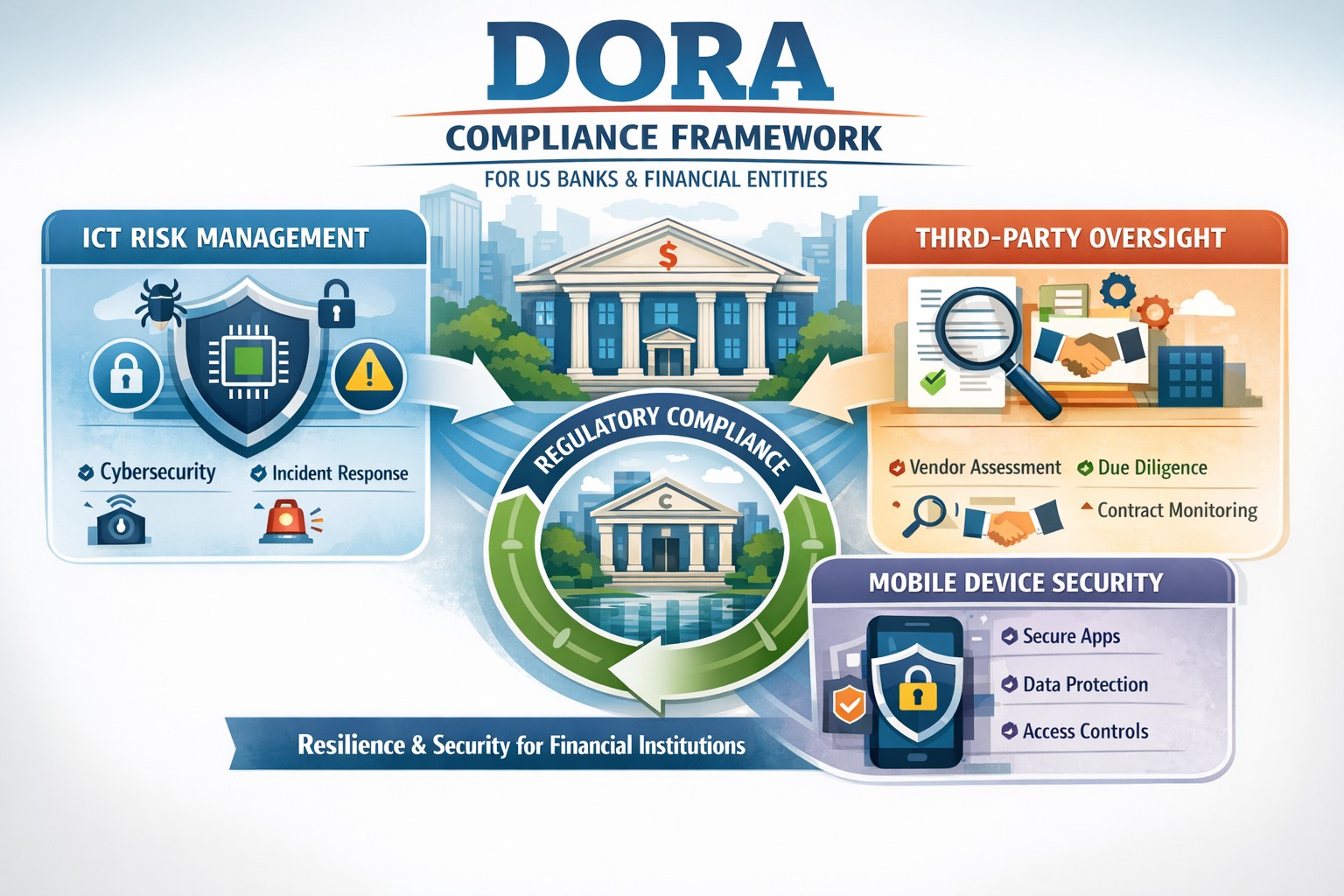
DORA is structured around several key provisions that collectively aim to enhance the digital operational resilience of financial institutions. These provisions cover a broad spectrum of requirements, from ICT risk management and incident reporting to third-party dependency management and testing of digital defenses. Understanding these key provisions is essential for financial institutions to grasp the full extent of DORA’s implications and to formulate a coherent strategy for compliance.
The first of these provisions centers on robust ICT risk management practices. Financial institutions are required to implement comprehensive risk management frameworks that can identify, assess, mitigate, and monitor ICT risks. This entails not only the deployment of advanced security measures and protocols but also the establishment of governance structures that ensure continuous oversight and accountability for ICT risk management.
Another critical provision of DORA pertains to the reporting of significant cyber incidents. Financial institutions must establish mechanisms for timely detection and reporting of such incidents to relevant regulatory authorities. This enhances the collective resilience of the financial sector by enabling a coordinated response to cyber threats and the sharing of critical information that can prevent the propagation of cyberattacks.
Lastly, DORA places a strong emphasis on the management of third-party risks. Given the interconnected nature of today’s financial ecosystem, where institutions rely heavily on external vendors for ICT services, DORA mandates stringent due diligence, monitoring, and contractual safeguards to manage the risks associated with third-party dependencies. This includes the requirement for financial institutions to ensure that their third-party providers adhere to equivalent standards of digital operational resilience.
Implications of DORA on information and communication technology (ICT)
The implications of DORA on ICT within financial institutions are profound, encompassing both the technological infrastructure and the operational processes that underpin the institution’s digital activities. At its core, DORA seeks to ensure that financial institutions have resilient, secure, and efficient ICT systems capable of withstanding a wide range of digital threats and challenges.
One of the primary implications relates to the enhancement of cybersecurity measures. DORA drives financial institutions to adopt state-of-the-art security technologies and practices, from advanced encryption methods and intrusion detection systems to comprehensive data protection protocols. This not only strengthens the institution’s defenses against cyberattacks but also fosters a culture of cybersecurity awareness and vigilance among employees and stakeholders.
Another significant implication is the focus on operational continuity and disaster recovery. DORA mandates that financial institutions develop and test robust business continuity plans (BCPs) and disaster recovery strategies (DRS) that ensure the institution can maintain or quickly resume critical operations in the event of an ICT-related disruption. This requires a careful analysis of critical business functions, the identification of potential vulnerabilities, and the implementation of measures to mitigate these risks.
Additionally, DORA underscores the importance of ICT governance and accountability. Financial institutions are expected to establish clear governance structures that define roles, responsibilities, and accountability for ICT risk management. This involves senior management taking an active role in overseeing ICT strategies, ensuring that digital operational resilience is embedded in the institution’s strategic planning and decision-making processes.
Navigating the changes brought by DORA in the financial sector
Navigating the changes brought by DORA requires a strategic, proactive approach that goes beyond mere compliance. Financial institutions must view these changes as an opportunity to enhance their operational resilience, competitive advantage, and trustworthiness in the digital age. This involves embracing a holistic view of digital operational resilience, integrating it into the institution’s overall strategic framework, and fostering a culture of continuous improvement and innovation.
The first step in this journey is to conduct a comprehensive assessment of the institution’s current ICT landscape and operational practices. This assessment should identify gaps in compliance with DORA’s provisions, areas of vulnerability to digital risks, and opportunities for enhancing digital operational resilience. Based on this assessment, financial institutions can develop a tailored action plan that addresses these gaps, leverages technological innovations, and aligns with the institution’s strategic objectives.
Engagement and collaboration across the organization are also crucial for successfully navigating the changes brought by DORA. This involves fostering an inclusive dialogue among stakeholders, including senior management, ICT professionals, risk managers, and operational staff, to ensure a shared understanding and commitment to digital operational resilience. Training and awareness programs can also play a key role in equipping employees with the knowledge and skills needed to contribute to the institution’s resilience efforts.
Furthermore, financial institutions should leverage the potential of technology to facilitate compliance and enhance operational resilience. This includes exploring advanced technologies such as artificial intelligence (AI), machine learning (ML), and blockchain, which can offer innovative solutions for risk management, incident detection, and secure transactions. Technology can also enable more efficient and effective compliance processes, from automated reporting mechanisms to real-time monitoring of third-party risks.
Strategies for adapting to DORA’s requirements
Adapting to DORA’s requirements necessitates a strategic approach that aligns with the institution’s operational realities and long-term objectives. One effective strategy is to prioritize the institution’s efforts based on the criticality of different ICT systems and processes, focusing initially on areas that present the highest risk or are most crucial for the institution’s operations. This prioritization helps to allocate resources efficiently and achieve significant enhancements in digital operational resilience.
Another key strategy involves fostering partnerships and collaboration both within the financial sector and with external technology providers. Collaborative initiatives can facilitate the sharing of best practices, insights, and experiences related to DORA compliance and digital operational resilience. Engaging with technology providers, like Farmhouse Networking, can also enable financial institutions to access innovative solutions and expertise that support compliance efforts and enhance the institution’s digital capabilities.
Continuous monitoring and evaluation are also essential for adapting to DORA’s requirements. Financial institutions should establish mechanisms for ongoing assessment of their compliance status, digital risk landscape, and the effectiveness of implemented resilience measures. This enables the institution to identify emerging risks, adapt to changes in the regulatory environment, and continuously improve its digital operational resilience.
Key challenges faced by financial institutions in implementing DORA
Implementing DORA presents a range of challenges for financial institutions, from the complexity of compliance requirements to the need for significant investments in technology and skills. One of the primary challenges is the integration of DORA’s provisions into the institution’s existing risk management and operational frameworks. This requires a comprehensive understanding of DORA’s requirements, as well as the ability to align these with the institution’s processes and objectives.
Another significant challenge is the management of third-party risks. The reliance on external providers for critical ICT services introduces a layer of complexity to compliance efforts, necessitating thorough due diligence, effective contractual arrangements, and ongoing monitoring. Ensuring that third-party providers adhere to equivalent standards of digital operational resilience can be a daunting task, requiring dedicated resources and expertise.
Additionally, the rapid pace of technological change and the evolving cyber threat landscape pose challenges for maintaining compliance and ensuring continuous digital operational resilience. Financial institutions must remain agile, constantly updating their risk assessments, cybersecurity measures, and resilience strategies to address new vulnerabilities and threats.
Best practices for ensuring DORA compliance
Ensuring DORA compliance requires a structured, diligent approach that encompasses several best practices. One of the foundational best practices is the establishment of a cross-functional team dedicated to DORA compliance. This team should include representatives from various departments, including ICT, risk management, legal, and operations, ensuring a comprehensive perspective on compliance efforts and facilitating effective coordination across the institution.
Developing a detailed compliance roadmap is another critical best practice. This roadmap should outline the key steps and milestones for achieving compliance, from initial assessments and gap analyses to the implementation of required measures and ongoing monitoring. The roadmap should also include timelines and responsibilities, providing a clear framework for the institution’s compliance efforts.
Continuous training and awareness programs are also essential for ensuring DORA compliance. Financial institutions should invest in educating their employees about the importance of digital operational resilience, the specific requirements of DORA, and their roles and responsibilities in maintaining compliance. Training programs should be regularly updated to reflect changes in the regulatory environment and emerging best practices.
Furthermore, leveraging technology can significantly enhance compliance efforts. Advanced technologies such as AI, ML, and blockchain can offer innovative solutions for risk assessment, incident detection, and secure data management. Financial institutions should explore these technologies, assessing their potential to support compliance objectives and enhance overall digital operational resilience.
The role of technology in facilitating DORA compliance
Technology plays a crucial role in facilitating DORA compliance, offering powerful tools and solutions that can enhance digital operational resilience and streamline compliance processes. One of the key areas where technology can make a significant impact is in risk assessment and management. Advanced analytics, AI, and ML can enable financial institutions to conduct more sophisticated risk assessments, identifying potential vulnerabilities and threats with greater accuracy and efficiency.
Incident detection and response is another area where technology can provide substantial benefits. Automated monitoring systems, intrusion detection technologies, and cybersecurity platforms can help financial institutions to quickly identify and respond to cyber incidents, minimizing their impact and ensuring timely reporting to regulatory authorities.
Technology can also support the management of third-party risks. Platforms and tools for vendor risk management enable financial institutions to conduct thorough due diligence, monitor third-party providers’ compliance with DORA requirements, and manage contractual arrangements more effectively. This facilitates a more robust approach to managing the risks associated with external ICT service providers.
Moreover, technology can enhance the efficiency of compliance processes, from automated reporting mechanisms to digital record-keeping systems. These technologies can reduce the administrative burden of compliance, allowing financial institutions to focus more resources on enhancing their digital operational resilience and providing value to their customers.
For financial institutions seeking to navigate the complexities of DORA compliance and enhance their digital operational resilience, partnering with expert service providers can offer valuable support. Contact Farmhouse Networking to manage your company’s ICT and protect from cyber threats, ensuring you stay ahead of the regulatory changes and build a stronger, more resilient financial institution for the future.
And God will generously provide all you need. Then you will always have everything you need and plenty left over to share with others. As the Scriptures say, “They share freely and give generously to the poor. Their good deeds will be remembered forever.” For God is the one who provides seed for the farmer and then bread to eat. In the same way, he will provide and increase your resources and then produce a great harvest of generosity in you. - 2 Corinthians 9:8-10
We use cookies to ensure that we give you the best experience on our website. If you continue to use this site we will assume that you are happy with it.