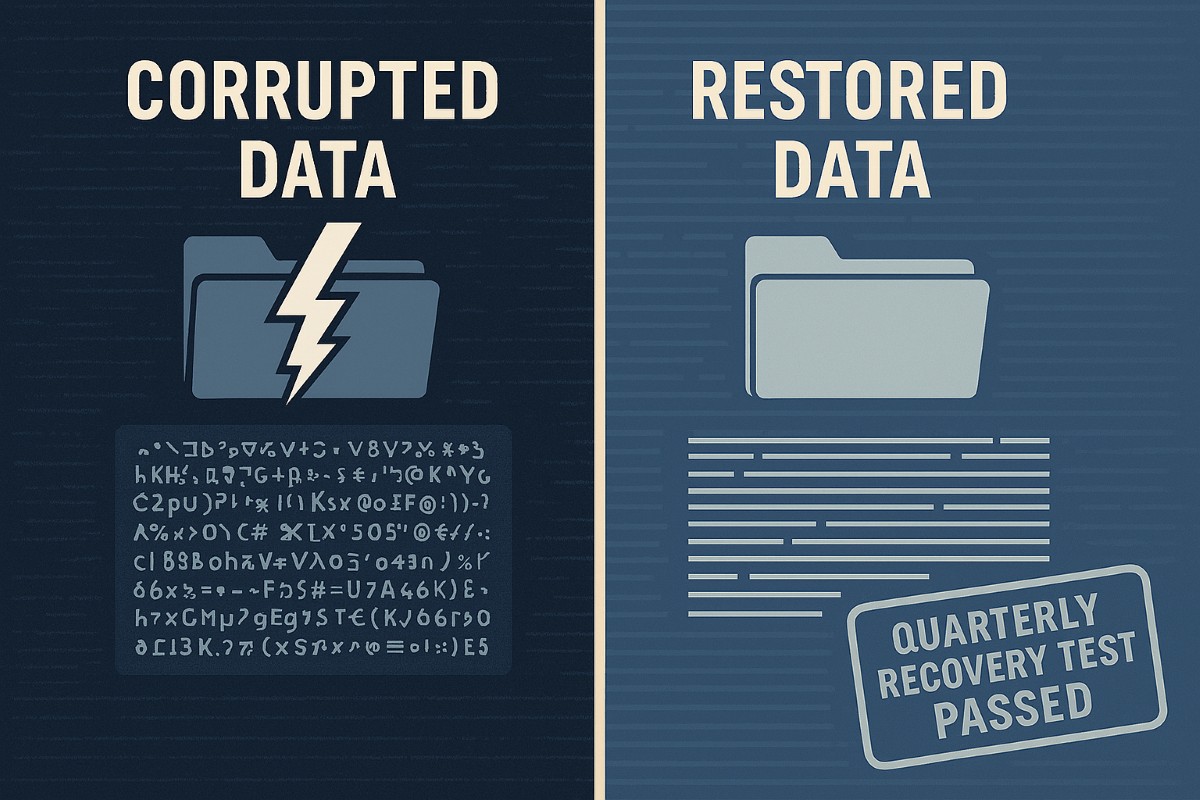
A strong data recovery plan protects businesses from data loss, downtime, and cyberattacks.
Every small and medium-sized business faces the risk of data loss—from ransomware, accidental deletions, or system failures. According to CIS Critical Security Control 11, a strong data recovery plan is essential for staying operational and protecting your reputation.
Key Action Steps for SMBs
Implement regular automated backups: Set daily schedules with both onsite and cloud solutions.
Review and test recovery plans: Don’t wait for a crisis—run annual recovery drills.
Update recovery policies as the business grows: Ensure new systems are included.
Common Client Questions
Aren’t backups enough? Not quite. You need tested recovery processes to guarantee downtime is minimal.
What if we don’t have IT staff? Partnering with an expert provider like Farmhouse Networking keeps your systems protected without you needing in-house IT.
How Farmhouse Networking Helps
We deliver reliable and cost-effective recovery strategies, handling everything from setup to ongoing monitoring, so you can focus on growth while we protect your data.
Why SMBs Need Smart Network Infrastructure Management
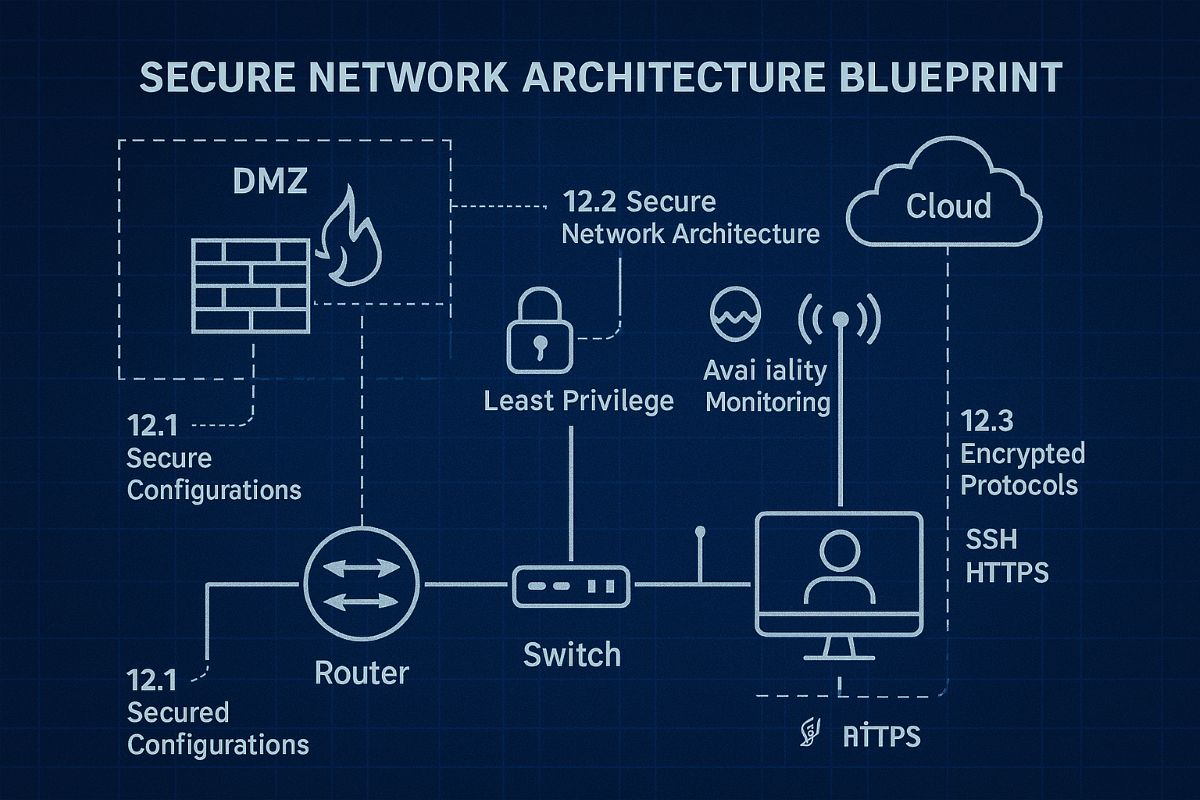
Optimizing SMB network infrastructure for stronger, scalable business networks
For small and midsize business owners, every minute of uptime counts. A slow or vulnerable network isn’t just frustrating—it costs productivity, damages customer trust, and drains revenue. Network Infrastructure Management, guided by CIS (Center for Internet Security) standards, is the key to keeping your technology reliable, secure, and scalable.
Practical Action Steps
Audit Your Current Network: Compare your systems to CIS-recommended controls to uncover risks.
Secure Data Flows: Implement firewalls, intrusion detection, and CIS baseline configurations.
Plan for Growth: Ensure your infrastructure supports cloud, remote work, and future expansion.
Continuous Monitoring: Use real-time alerts to prevent disruption before it happens.
Employee Awareness: Provide staff training on cybersecurity aligned with CIS best practices.
Client Q&A
“Do CIS standards apply to smaller companies?” – Absolutely; they’re designed to scale to all business sizes.
“Will I need to overhaul my whole network?” – Not necessarily. Often, a phased approach is more cost-effective.
“What if I already have an IT person?” – Farmhouse Networking’s role is to extend their expertise, not replace it.
How Farmhouse Networking Helps We align your systems with CIS benchmarks, secure your infrastructure, and monitor it constantly. That means less downtime, stronger client trust, and more bandwidth for business growth.
Call to Action Ready to protect your network and grow confidently? Email us today at support@farmhousenetworking.com to learn how Farmhouse Networking can keep your systems strong and compliant.
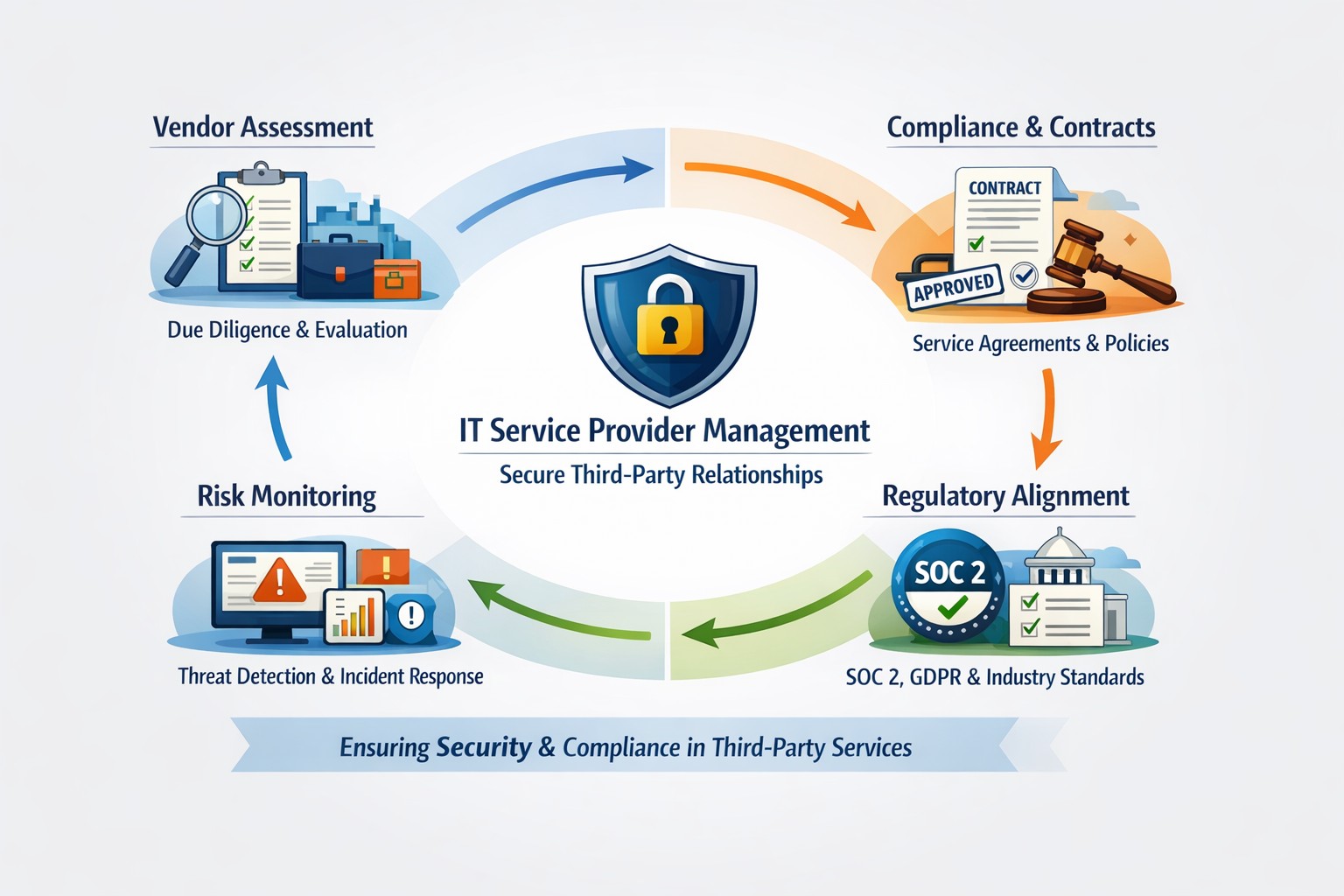
Streamline service provider management: Achieve IT compliance with robust vendor security and risk assessment protocols
As a business owner, you likely rely on outside vendors for IT, cloud services, or financial software. But if those service providers aren’t properly managed, they can become your greatest security risk. The CIS Controls framework, specifically Control 15 (Service Provider Management), offers a roadmap to protecting your company from third-party threats.
Action Steps You Should Take Now:
Inventory Your Providers – List all third-party vendors with access to your systems and data.
Evaluate Security Practices – Review how vendors secure your data. Do they meet CIS control standards?
Define Contractual Requirements – Update contracts to include security obligations (like encryption or incident response timelines).
Develop an Exit Strategy – Ensure data can be safely transferred or destroyed when contracts end.
Common Questions Business Owners Ask:
“Why does this matter if my provider is well-known?” Even trusted vendors face breaches. CIS Controls ensure you’re not blindly relying on brand reputation.
“Is this too complicated for a small business?” No. By following a structured checklist, SMBs can apply scalable protections.
“What happens if my provider won’t comply?” That’s a red flag. It might be time to reconsider the partnership.
How Farmhouse Networking Helps: At Farmhouse Networking, we help businesses create service provider inventories, negotiate stronger contracts, and set up monitoring strategies aligned with CIS Controls. We act as your vendor management partner so you can focus on growth rather than worrying about third-party risks.
Want to secure your business through smarter Service Provider Management? Email us at support@farmhousenetworking.com to learn how we can build a safer future for your company.
Windows 10 end of life preparation: audit compatibility, plan Windows 11 upgrades, and partner with managed IT before support ends October 14, 2025.
As the end of support for Windows 10 approaches in about a year on October 14, 2025, it’s crucial for businesses to start preparing for the transition. This article will guide you through the essential steps to ensure a smooth and secure move to the next phase of your computing experience.
Understanding Windows 10 End of Life
Windows 10 End of Life (EOL) marks the point when Microsoft will cease providing updates, security patches, and technical support for the operating system. This event is significant because it leaves users vulnerable to security risks, compatibility issues with newer software and hardware, and non-compliant with standards like HIPAA, PCI, and CMMC.
Key Steps to Prepare
Assess Your Current Setup: Before making any changes, take stock of your current system:
Identify all devices running Windows 10
Check hardware specifications to make sure old computers are compatible
List essential software and applications
Evaluate Upgrade Options: Consider these alternatives:
Upgrading to Windows 11 for free (if your hardware supports it)
Purchasing new devices with the latest operating system to replace older ones
Plan for Software Compatibility: Ensure your critical applications will work post-transition:
Check compatibility with newer operating systems
Contact software vendors for upgrade options
Consider alternative software solutions if needed
Train Your Team: If you’re managing a business environment:
Educate employees about the upcoming changes
Provide training on new systems or procedures
Establish a support system for the transition period
Set a Timeline: Create a realistic schedule for your transition:
Set milestones for each phase of the preparation
Allow ample time for testing and troubleshooting
Plan for potential downtime during the switch
Financial Considerations: Budgeting for the transition is crucial:
Allocate funds for new hardware if needed
Account for potential software upgrade costs
Consider the long-term cost benefits of modernizing your IT infrastructure
Security Implications: Understand the risks of running an unsupported OS:
Increased vulnerability to malware and cyber attacks
Potential compliance issues for regulated industries
Lack of technical support for critical issues
Remember, a well-planned transition not only safeguards your system but also opens up opportunities for improved performance and productivity. Take the first step now: conduct an inventory of your Windows 10 devices and begin researching upgrade paths. Your future self will thank you for your foresight and preparation.
Don’t wait until the last minute to prepare for Windows 10 End of Life. Start your transition plan today to ensure a secure and efficient computing environment for the future. Let Farmhouse Networking do the heavy lifting by assessing your needs, exploring your options, and taking proactive steps to protect your digital assets.
Charities need to prioritize their cybersecurity measures. It’s no longer a matter of if, but when, a cyber attack will occur. This extensive guide outlines the essential steps charities can take to enhance their cybersecurity and protect their valuable data.
Understanding Cybersecurity Risks for Charities
Charities, like all organizations, are at risk of cyber attacks. These attacks can have severe consequences, including data leakage, financial loss, and damage to the charity’s reputation. Understanding these risks is the first step toward effective protection.
– The Reality of Cyber Threats:
Cyber threats are a reality for all organizations, including charities. With the rise of sophisticated cyber attacks, no organization can confidently say they will not be targeted. The aim is to make it as challenging as possible for cybercriminals to penetrate the charity’s defenses.
– The Importance of Cybersecurity in Charities:
The importance of cybersecurity in charities cannot be overstated. Charities hold sensitive data like donor information, employee details, and financial records. A cyber breach could lead to the loss or exposure of this data, damaging the trust of donors, employees, and beneficiaries.
Initial Cybersecurity Measures for Charities
Implementing initial cybersecurity measures can greatly reduce a charity’s vulnerability to attacks. These measures should focus on both end users and the charity’s IT infrastructure.
– Password Policies:
Establishing or revising a company password policy is a crucial first step. Passwords should be required on all devices employees use. They should be changed regularly, and employees should not be allowed to reuse old passwords. Furthermore, consider using multi-factor authentication (MFA) for an added layer of security.
– Cybersecurity Training
Training end users to be aware of various threats is a longer-term effort that can pay dividends. This includes being suspicious of emails requesting credential confirmation, checking website security before visiting, and ensuring sensitive information is transmitted securely.
– Limiting Access
Not all employees need access to all aspects of the charity’s operations. It’s essential to emphasize that limiting access is a critical part of protecting the charity against cyber attacks.
IT Infrastructure-Focused Measures
Charities also need to take measures focused on their IT infrastructure. These actions can further strengthen the charity’s defenses against cyber threats.
– Installing Protection
Installing additional protection, such as firewalls and antivirus software, can help shield the charity’s IT infrastructure against cyber attacks. Regularly updating and patching all software is also essential.
– Backing Up Files
Backing up files is another immediate action charities should take. This can be done offline, using external hard drives, or by backing up to the cloud. Furthermore, encrypting backups can provide an extra layer of security.
– Implementing Security Tools
Implementing security tools like browser management, DNS filtering, network monitoring, and endpoint protection can help detect and prevent cyber attacks.
External Resources for Cybersecurity Guidance
There are many external resources available to help charities improve their cybersecurity. These include government agencies, nonprofit organizations, and specific groups associated with nonprofit verticals.
– Government Agencies
Government agencies like the U.S. Department of Homeland Security Cybersecurity & Infrastructure Security Agency (CISA), the Federal Trade Commission, and the National Institute of Standards and Technology (NIST) offer resources on cybersecurity.
– Nonprofit Organizations
Nonprofit organizations like the Cyber Readiness Institute, Global Cyber Alliance, and the National Council of Nonprofits also offer resources to help charities improve their cybersecurity.
Following the NIST Cybersecurity Framework
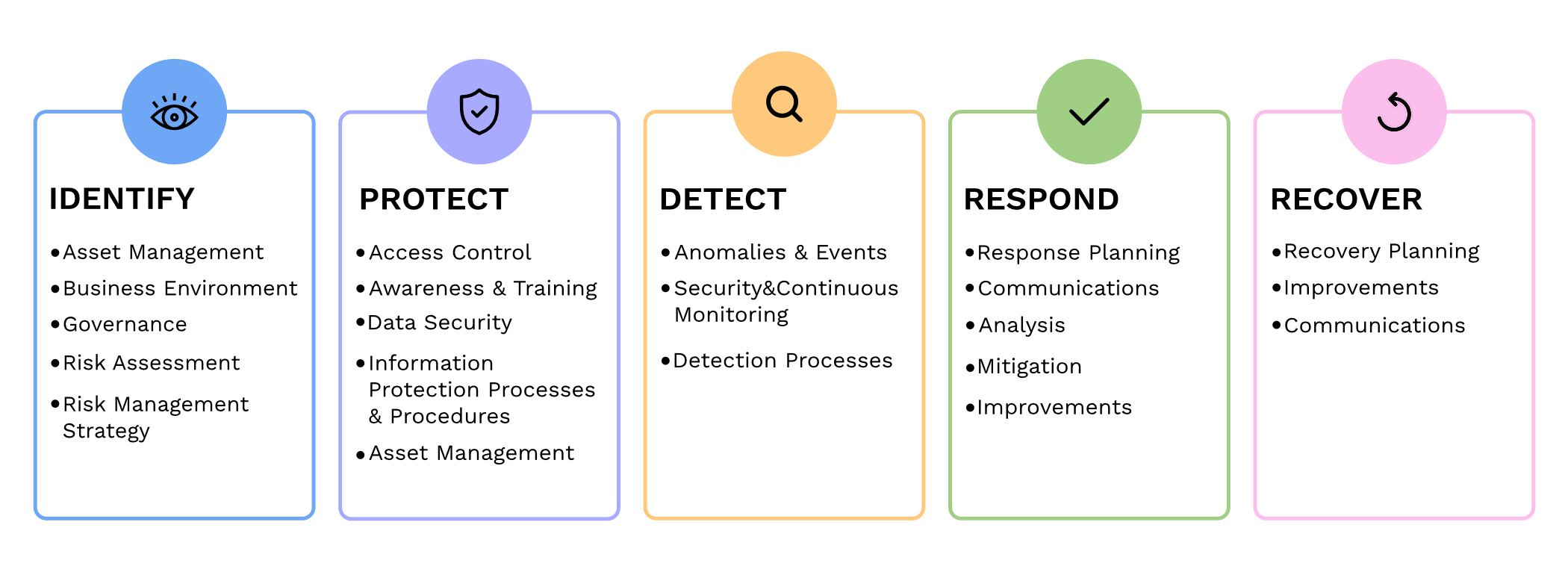
The National Institute of Standards and Technology (NIST) has developed a five-part best practices framework to help firms focus resources for cybersecurity protection. These steps include identifying, protecting, detecting, responding, and recovering from cyber attacks. The NIST framework offers a systematic approach to managing cybersecurity risks. It includes identifying all equipment, software, and data used; protecting data with security software and regular backups; detecting unauthorized access; responding effectively to attacks; and recovering after an attack.
Implementing Advanced Cybersecurity Measures
Implementing advanced cybersecurity measures can provide an additional layer of protection for charities. These measures include identity and access management (IAM), securing networks, and moving to the cloud.
– Implementing IAM
Implementing IAM can streamline access for users internally and externally. Features like single sign-on (SSO), social sign-on, and multi-factor authentication (MFA) can make it easier for authorized users to access the charity’s websites and applications.
– Securing Networks
Securing networks business class equipment from trusted brands can boost a charity’s network security. This includes using wired and wireless networking hardware to create a functioning network and protecting against online threats.
– Moving to the Cloud
Moving to the cloud can provide charities with flexibility and resilience. Cloud-hosted systems allow for secure work from anywhere and can help charities bounce back faster after a cyber attack.
Preparing for Cyber Attack Recovery
Preparing for cyber attack recovery is crucial. When defenses fail, charities need the ability to bounce back quickly.
– Data Backup and Restoration
Data backup and restoration is a key part of cyber attack recovery. Charities should regularly back up their data to protect against data-loss disasters. If an attack occurs, they can restore their data and resume operations quickly.
– Developing a Continuity of Operations Plan
Developing a continuity of operations plan can ensure that a charity can continue to serve its community even when disaster strikes. This includes planning for how to keep business operations up and running and reporting the attack to law enforcement and other authorities.
Contact us today to explore how to best setup your cybersecurity efforts, ensuring protection and compliance in an ever-evolving cybersecurity landscape.
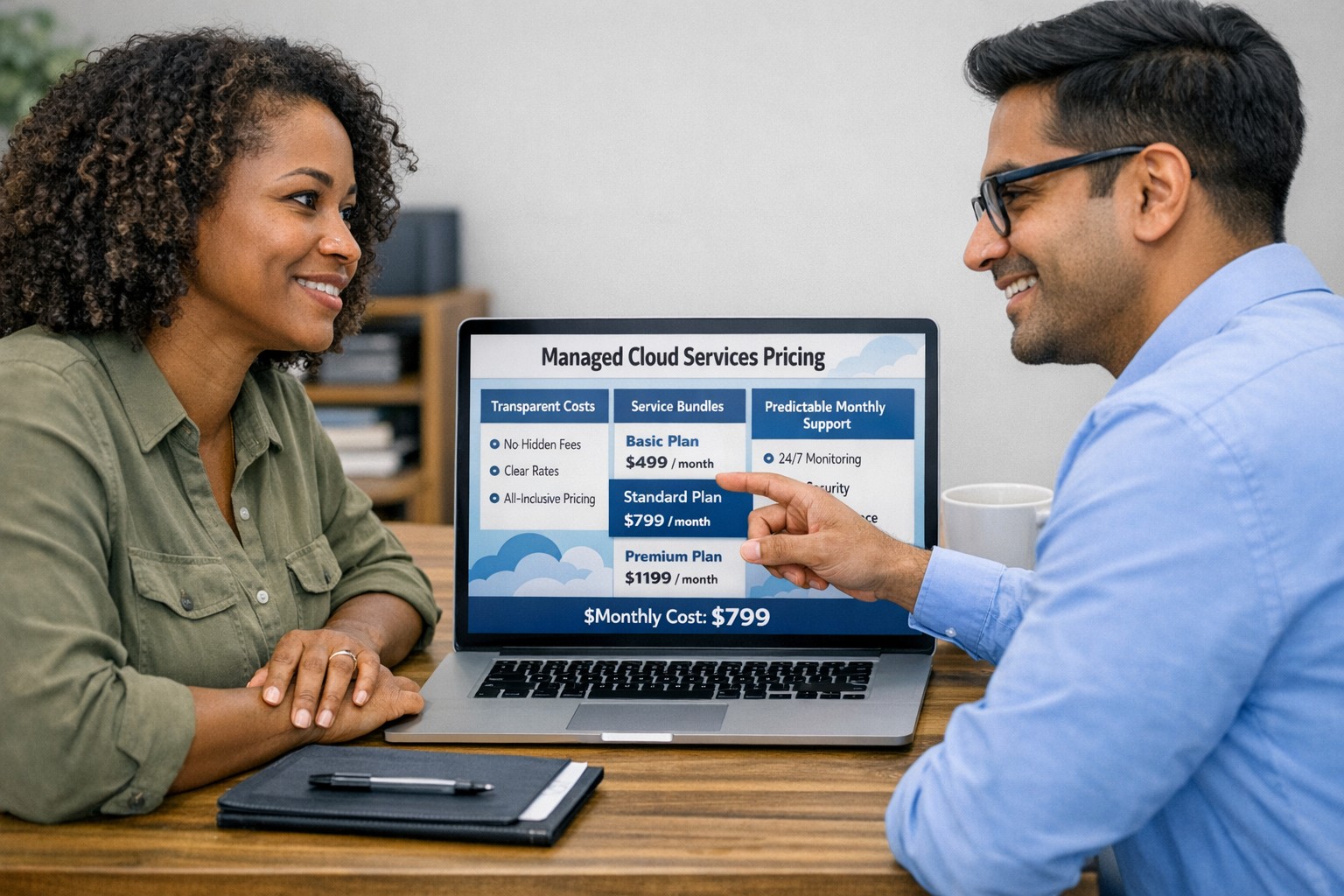
Managed cloud services pricing helps small businesses control IT costs with transparent, predictable monthly cloud support.
We have received numerous inquiries from potential customers regarding our pricing structure. Specifically, they want to know if we offer monthly contracts or if we charge an hourly rate. The answer is Yes.
Hourly Rate
For customers who require a one-time fix or need a project completed, we offer a service based on an hourly rate. Our rate for remote or on-site work that is not covered under a contract is $150 per hour. We bill in 15-minute increments and take pride in our efficiency. For clients with more than 2 service requests per month, we highly recommend signing up for a contract to save money and benefit from our expert oversight.
Monthly Contracts
There are three types of monthly contracts:
Remote Maintenance Contract
This is the package that most of our clients choose. It includes automated maintenance, cyber security protections, and unlimited remote support. Since most problems and questions can be handled remotely, this package offers real value.
Full Service Maintenance Contract
This package is for clients who want complete peace of mind. It includes all services, whether remote or at their offices. Additionally, it provides some additional benefits, such as top priority in our support queue.
Co-Managed IT Contract
This special package is designed for companies that already have a full-time IT employee or IT service companies in need of extra help. It provides them with the necessary automations and tools to make their jobs easier, allowing them to focus on what matters. This package also includes a discount on our remote and on-site services.
All contracts are based on a per-device model, taking into account the number of workstations, printers, servers, switches, etc. on the client’s network. We use this model because the other popular model, per user, is too vague and can easily hide excessive profit margins. Contracts can be month-to-month or a yearly commitment. The difference is that with a yearly commitment, you are protected from price increases for the entire year. We also offer many optional add-ons for our clients, such as Office 365, Employee Security Training, Penetration/Vulnerability Scanning, Mobile Device Management, Compliance, Secure Remote Access, and Security Operations Center.
Are you looking for reliable IT support that suits your business’s unique requirements? Look no further! Our flexible pricing options cater to businesses of all sizes. Whether you require one-time assistance or ongoing support, we have the right plan for you. Ready to take your business IT support to the next level? Contact us today to discuss your needs and find the perfect plan for your business.
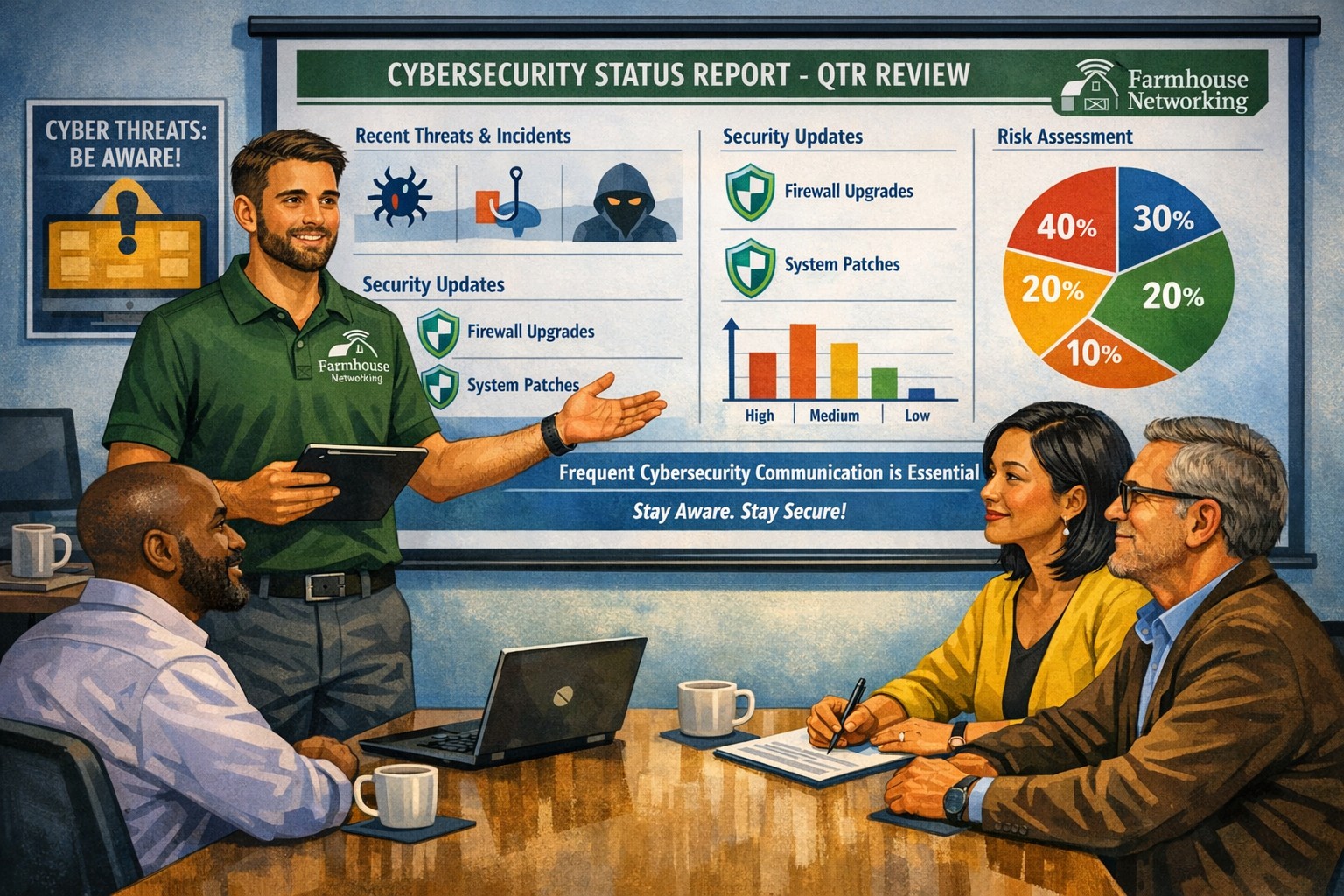
Business meeting between IT provider and client discussing cybersecurity threats and protection strategies
Cyber threats continue to evolve and become increasingly sophisticated, so the importance of robust cybersecurity measures cannot be overstated. Cybersecurity is a critical aspect of any company’s IT infrastructure, as it safeguards company / client data and ensures uninterrupted operations. However, one aspect that often gets overlooked is the proactive communication from IT providers about cybersecurity. This blog article aims to remind IT professionals and decision-makers of the significance of regular discussions with their IT providers regarding cybersecurity, and the potential risks they could be exposed to by neglecting this crucial dialogue.
Importance of Regular Cybersecurity Discussions:
Cybercriminals are continuously developing new attack vectors and exploring vulnerabilities in software, networks, and devices. Cybersecurity is not a one-time fix; it requires ongoing monitoring, updating, and adaptations to counter new threats.
Unfortunately, many organizations assume that by employing an IT provider to manage their systems, they are automatically protected against cyber threats. However, this assumption can lead to complacency, leaving vulnerabilities unaddressed. Regular conversations with your IT provider regarding cybersecurity ensure that your organization is consistently assessing and improving its defense against threats.
Addressing Emerging Threats:
Cybercriminals are constantly adapting their tactics, making it essential for IT providers to stay ahead by implementing proactive security measures. By engaging in frequent discussions, your IT provider can inform you about emerging threats and share strategies to mitigate risk. These discussions should cover topics such as:
Vulnerability Scanning / Penetration Testing: Testing your IT infrastructure to find the weak points is crucial to minimizing the available attack surface for a hacker and decreasing the impact of a breach. Reviewing these findings with your IT provider quarterly is vital to keeping your network safe.
Threat Detection: Standard antivirus software is no longer good enough to stop hackers. Talking with your IT provider about advanced threat detection software to make sure that both local and cloud resources are sufficiently protected from all kinds of attacks.
Patch Management: Ensuring that all software and systems are up-to-date with the latest security patches is crucial. Regular communication will allow your IT provider to inform you about critical patches or upgrades and discuss their implementation to keep your systems secure.
Employee Training: Cybersecurity is a collective effort, and employees play a vital role in maintaining a strong defense. Regular discussions about employee training will ensure that everyone in the organization is aware of best practices, such as identifying phishing emails or avoiding suspicious websites.
Data Backup and Recovery: Regular conversations with your IT company can help you establish and review comprehensive data backup and recovery strategies, minimizing the impact of potential cybersecurity incidents.
Incident Response Planning: In the unfortunate event of a cybersecurity incident, having a well-defined incident response plan is crucial. Meet with your IT provider at least annually to ensure that your plan is up to date, reflecting any changes in your IT infrastructure or evolving threat landscape.
When it comes to cybersecurity, communication is key. If your IT provider has not talked to you recently about cybersecurity, then it is time to call Farmhouse Networking. We are huge on communication and meet regularly with our clients to discuss 42 different IT related categories.
It has become increasingly crucial for businesses to prioritize cybersecurity. We all need to be proactive in safeguarding sensitive information and protecting against cyber threats. The National Institute of Standards and Technology (NIST) has been providing standards for cybersecurity practices. We will now delve into the updates and key changes in the fourth revision of the renowned NIST 800-53 publication.
Expanded Scope: NIST 800-53 Revision 4 broadens the standards scope to include private sector organizations dealing with sensitive information. This expansion reflects the need for all companies to implement cybersecurity best practices.
Threats and Vulnerabilities: This revision incorporates emerging threats and vulnerabilities faced by organizations today, such as advanced persistent threats, insider threats, supply chain risks, and cloud computing challenges. It emphasizes the importance of a comprehensive approach to identify and mitigate these risks effectively.
Security and Privacy: NIST 800-53 Revision 4 highlights the connection between security and privacy. The guidelines provided help organizations maintain the delicate balance of ensuring data protection while respecting privacy rights.
Continuous Monitoring and Assessment: One significant change is the emphasis on continuous monitoring. Instead of periodic assessments, companies are urged to implement an ongoing, systematic approach to monitor security, identify vulnerabilities, and respond to them in real-time. This proactive approach helps in detecting and mitigating threats promptly.
Role-Based Access Controls (RBAC): Another notable addition is the strengthening of Role-Based Access Controls (RBAC). This approach ensures that users only have access to the information and functions that are needed to complete their jobs. Implementing effective RBAC helps minimize the risk of unauthorized access, privilege escalation, and data breaches.
Supply Chain Risk Management (SCRM): Revision 4 also emphasizes the need for proper Supply Chain Risk Management (SCRM) practices. It recommends involving suppliers and stakeholders in security assessments and due diligence processes to mitigate risks associated with third party software, hardware, and services.
Remember, cybersecurity is a journey, not a one-time event. Stay vigilant, adapt to evolving threats, and contact us to create a comprehensive cybersecurity strategy to safeguard your business assets and reputation.
Small and medium-sized businesses (SMBs) are the backbone of the economy, but they are often the primary targets for cyberattacks. In fact, according to recent reports, nearly half of all cyberattacks are aimed at SMBs. To protect themselves from these threats and ensure the security of their critical assets, SMBs should consider following the guidelines provided by the National Institute of Standards and Technology (NIST) in their Special Publication 800 series.
Comprehensive Cybersecurity Framework
NIST 800 series provides a comprehensive framework that helps SMBs establish and maintain effective cybersecurity measures. By implementing the NIST guidelines, SMBs can enhance their cybersecurity posture and reduce the risk of potential data breaches, financial losses, and reputational damage.
Improved Risk Management
NIST 800 guidelines focus on risk management, helping SMBs identify and mitigate potential vulnerabilities and threats. Following the guidelines allows SMBs to proactively assess their cybersecurity risks and develop effective strategies to safeguard their sensitive data, intellectual property, and customer information.
Industry-Recognized Standards
NIST 800 series is widely recognized and adopted by both the public and private sectors. By adhering to these guidelines, SMBs demonstrate their commitment to meeting industry standards and best practices. This not only helps build trust with customers and partners but also increases their chances of securing lucrative business contracts and partnerships.
Cost-Effective Approach
Implementing NIST 800 guidelines can be a cost-effective approach for SMBs. These guidelines offer scalable solutions that can be tailored according to the organization’s size, budget, and specific requirements. SMBs can leverage the NIST framework to prioritize their cybersecurity investments, ensuring that they maximize their security efforts within their available resources.
In today’s digitally connected world, SMBs cannot afford to neglect cybersecurity. Following the NIST 800 guidelines provides SMBs with a comprehensive framework to enhance their cybersecurity posture, improve risk management, establish industry-recognized standards, and reduce costs, By working with a managed IT service provider to implementing these guidelines, SMBs can protect their assets, maintain their reputation, and thrive in an increasingly cyber-threatened landscape.
If your company is looking to implement stronger security through an standards based framework, then contact us for assistance.
Consumer routers = compliance nightmares for business networks
Even though we recently sent out another email newsletter about this topic, we have to keep raising this issue as the work from home remains a regular occurrence. A German think tank analyzed 127 popular home routers with the majority having at least one flaw (D-Link, Netgear, ASUS, Linksys, TP-Link and Zyxel were affected by 53 critical-rated vulnerabilities each). The biggest problem is that most (91%) are built on top of an old version of Linux operating system and their makers rarely publish updates.
There are several solutions that we can discuss to secure your work from home networks, so contact us for assistance.
And God will generously provide all you need. Then you will always have everything you need and plenty left over to share with others. As the Scriptures say,
“They share freely and give generously to the poor. Their good deeds will be remembered forever.”
For God is the one who provides seed for the farmer and then bread to eat. In the same way, he will provide and increase your resources and then produce a great harvest of generosity in you. - 2 Corinthians 9:8-10
We use cookies to ensure that we give you the best experience on our website. If you continue to use this site we will assume that you are happy with it.