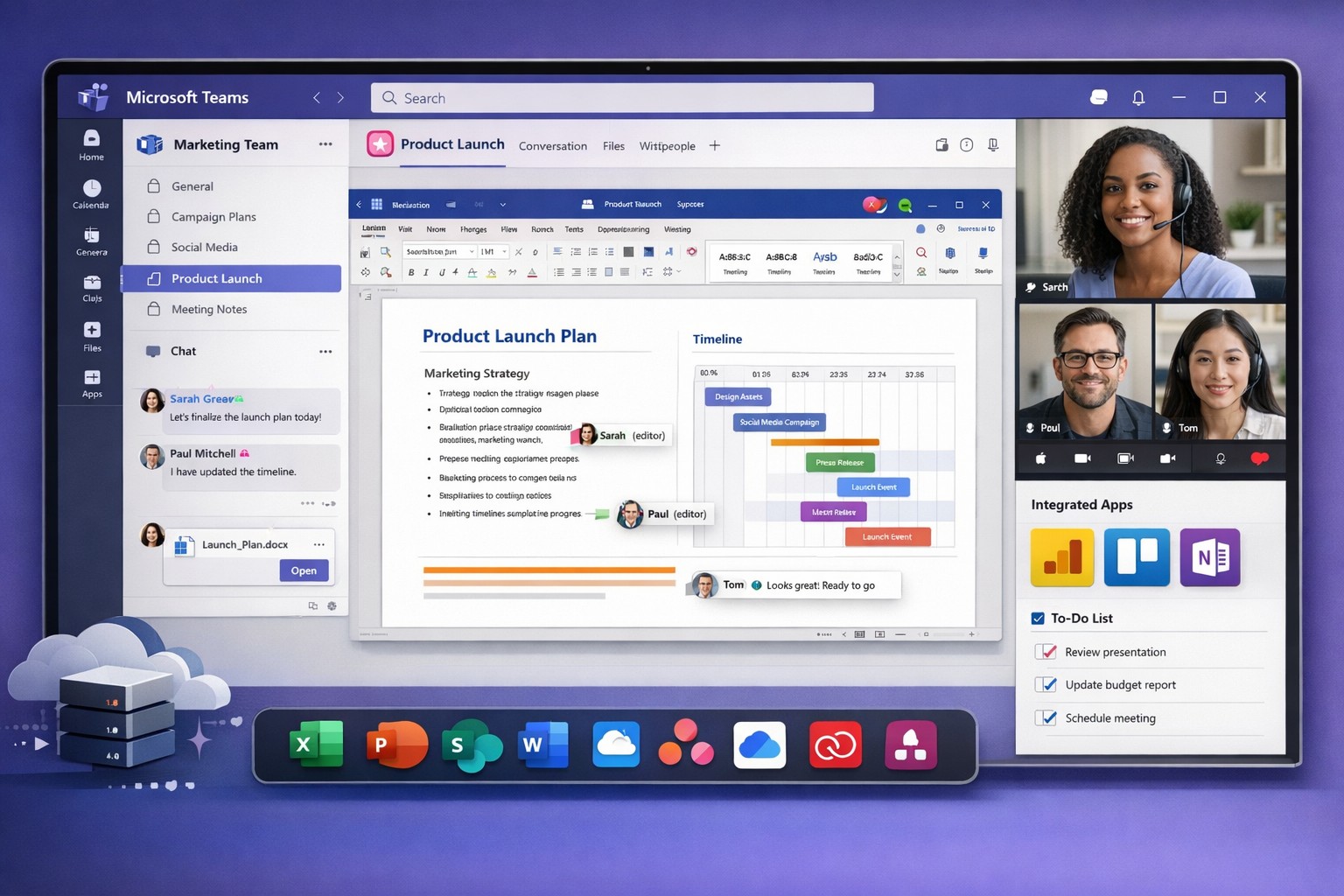
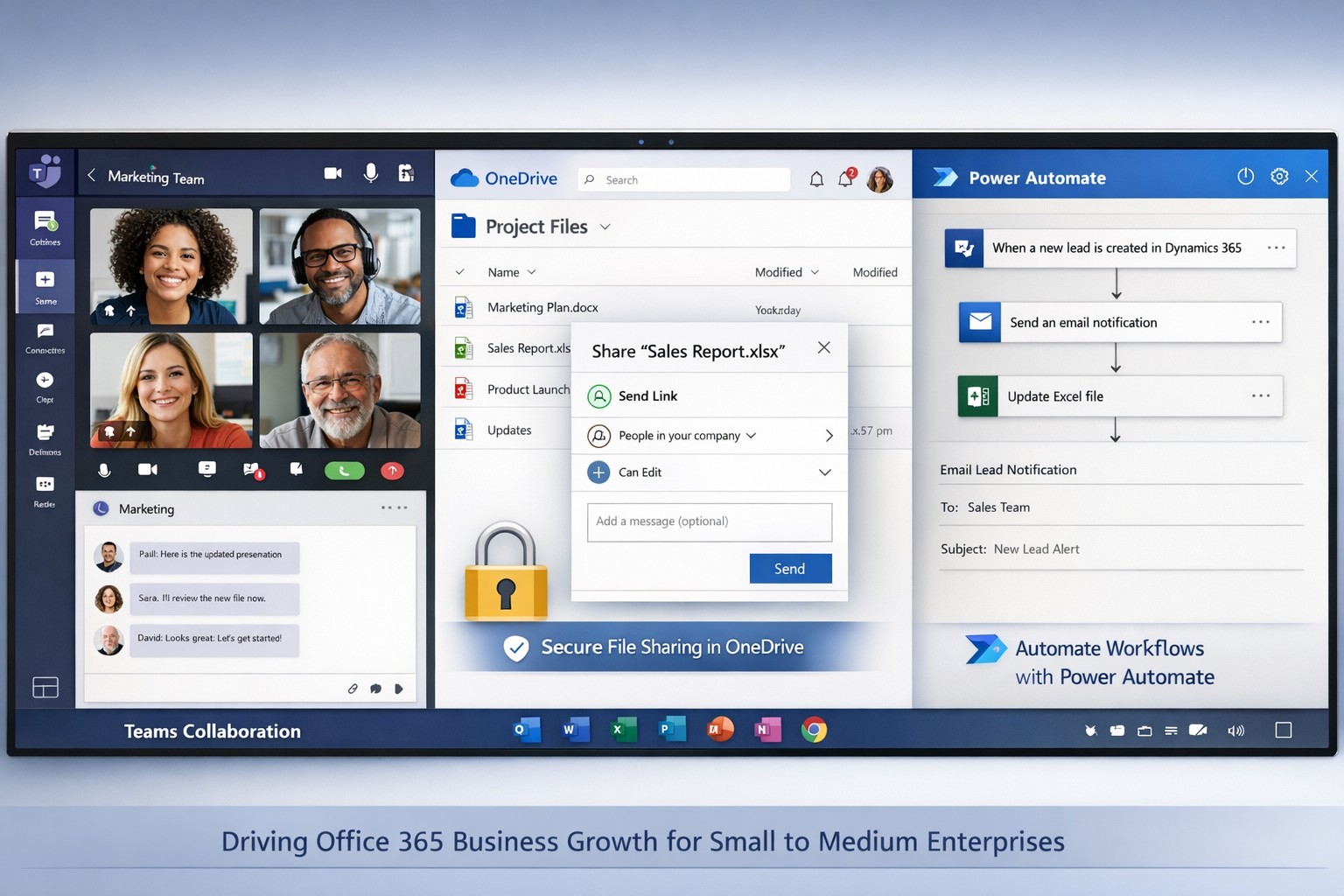
Microsoft Teams interface: Central hub for team collaboration, file sharing, and resource management to boost business productivity.
You’re constantly juggling teams, projects, and resources across locations. Microsoft technology, like Teams and Microsoft 365, centralizes everything into one platform to boost productivity and cut chaos.
Key Microsoft Tools for Collaboration
Microsoft Teams stands out as the hub, combining chat, video calls, file sharing, and app integrations. It lets teams create channels for projects, co-edit documents in real-time, and invite external partners securely.
Other tools like SharePoint for file storage, Planner for task tracking, and Viva Insights for analytics integrate natively, ensuring resources stay organized without switching apps. AI features, such as meeting summaries and action item capture, automate admin work.
These tools scale for small businesses to enterprises, supporting hybrid work with mobile access and real-time updates.
Practical Action Steps
Follow these steps with your IT department to implement quickly.
Assess Needs: Audit current tools—list pain points like scattered emails or file versions. Involve team leads via a short survey.
Set Up Microsoft 365: Sign up for a business plan (e.g., Microsoft 365 Business Premium). IT assigns licenses and configures security like multi-factor authentication.
Deploy Teams: Create core teams/channels (e.g., “Sales-Projects”, “Ops-General”). IT enables integrations with Outlook and OneDrive.
Train Users: Run 1-hour sessions on channels, @mentions, and file sharing. Share quick guides for Week 1 exploration.
Optimize and Monitor: Use SEO-like naming (descriptive keywords in channel names/descriptions) for findability. Review usage weekly, tidy unused channels, and add tabs for apps like Planner.
Expect 20-30% productivity gains within weeks through better communication.
FAQ: Client Inquiries Answered
How secure is Microsoft Teams for sensitive business data? Teams uses enterprise-grade encryption, compliance with GDPR/HIPAA, and role-based access. Guests get limited permissions.
What about costs for small businesses? Plans start at $6/user/month. Free trials let you test without commitment. ROI comes from reduced email overload and faster decisions.
Can it integrate with non-Microsoft tools? Yes, via 1,000+ app connectors (e.g., Zoom, Salesforce). Custom workflows via Power Automate.
How do we handle adoption resistance? Start small: Pilot with one department, gather feedback, and showcase wins like saved meeting time. AI recaps help busy owners.
Is it good for remote/hybrid teams? Perfect—real-time co-authoring, calls, and channels keep everyone aligned across time zones.
How Farmhouse Networking Helps
Farmhouse Networking specializes in Microsoft 365 deployments for accounting, healthcare, and charity sectors. We handle audits, custom setups, SEO-optimized Teams structures (e.g., keyword-rich naming for internal search), training, and ongoing optimization to drive efficiency.
Our B2B clients see faster lead gen through streamlined client portals and improved CX via integrated resources. We target organic traffic with blog strategies like this, positioning your firm as a tech leader.
Call to Action
Ready to unify your teams? Email support@farmhousenetworking.com for a free Microsoft collaboration audit tailored to your business.
Using the right collaboration tools and strategies helps teams communicate faster, reduce silos, and get more done together.
Up to 80% of employees’ time is spent on collaborative activities—emails, meetings, and informal coordination. Yet many businesses still struggle with communication breakdowns, duplicated effort, and siloed teams. For a business owner, this isn’t just a “people problem”; it’s a productivity and profitability problem. The good news is that a few well‑chosen tools and strategies can unblock collaboration and give your organization a clear competitive edge.
Below are five practical tool categories and strategies tailored to business owners, plus specific actions your leadership and IT teams can take to implement them.
1. Centralize Communication with a Unified Platform
Many teams juggle email, texts, Slack‑like apps, and project tools, which fragments information and creates confusion. A unified communication platform (for example, Microsoft 365 with Teams–style capabilities) keeps chats, calls, files, and tasks in one place. This reduces missed messages, speeds up decisions, and makes onboarding new staff easier.
Action steps for you and your IT team:
Audit current tools; identify redundant channels and sunset ones that are underused.
Choose one primary communication suite aligned with your existing infrastructure.
Configure clear norms: which channel is for urgent issues, which is for project updates, and which is for casual conversation.
Train staff with short, role‑specific sessions (e.g., “how to create a team channel” vs. “how to share a secure file”).
2. Use Project Management and Task‑Tracking Tools
Without visibility into who is doing what, teams waste time chasing status updates and reworking tasks. Project management tools such as Asana‑style platforms or similar task‑tracking systems help teams align on goals, deadlines, and deliverables. They also surface bottlenecks before they become major delays.
Action steps:
Define 2–3 core workflows (e.g., client onboarding, internal reporting, campaign launches) that will live in the tool.
Assign an “owner” for each workflow and task to ensure accountability.
Integrate the tool with your central communication platform so updates appear automatically (e.g., “Task completed” posts to a project channel).
Review dashboards weekly in leadership meetings to spot recurring delays or capacity issues.
3. Standardize Document Collaboration and Access
Version confusion—multiple copies of the same file circulating by email—wastes hours and creates compliance risks. Cloud‑based document collaboration (e.g., shared workspaces with real‑time editing and audit trails) keeps everyone on the same version and improves governance.
Action steps:
Migrate all operational documents into a single secure collaboration platform.
Set consistent folder structures and naming conventions (e.g., “ClientName_ProjectName_YYYYMMDD”).
Define permission levels: who can edit, who can comment, and who can only view.
Automate versioning and retention rules so older drafts are archived, not deleted.
4. Train Teams on Collaboration Norms (Not Just Tools)
Tools only work if people understand how to use them effectively. Studies show that poor training and unclear norms are major blockers to digital collaboration. Investing in short, ongoing training and clear collaboration guidelines pays back in faster decision‑making and less friction.
Action steps:
Roll out a “Collaboration Playbook” with simple rules: response‑time expectations, meeting‑free blocks, and escalation paths.
Host quarterly micro‑training sessions (15–20 minutes) focused on one tool or behavior, such as giving feedback in shared documents.
Encourage managers to model the behavior they want—using the right channels, documenting decisions, and tagging tasks clearly.
Survey staff every six months to identify new pain points and refine norms.
5. Measure and Iterate on Collaboration Performance
Leadership often assumes collaboration is “working,” but without metrics, issues remain hidden. Tracking collaboration effectiveness—such as cycle times for key workflows, meeting‑to‑decision ratios, and employee feedback—lets you spot what is and isn’t working.
Action steps:
Define 3–5 key collaboration KPIs (e.g., average time to close a client request, number of “urgent” emails vs. structured tickets, employee survey scores on “feeling heard”).
Set up simple dashboards in your project or collaboration tools so you can review them monthly.
Host quarterly “collaboration health checks” where leadership and team leads discuss what to start, stop, or change.
Adjust tools, training, and processes based on the data, not just opinions.
Frequently Asked Questions (For Your Clients)
Q: How do we choose the right collaboration tools without over‑complicating everything? A: Start with your existing ecosystem (e.g., Microsoft 365, Google Workspace) and extend it; avoid introducing too many new brands. Pilot one tool for a single department, measure impact, then scale if it improves speed and clarity.
Q: Won’t collaboration tools just create more noise and notifications? A: Only if there are no clear rules. Define communication norms, mute non‑essential channels, and train teams on “signal vs. noise” to keep collaboration productive, not chaotic.
Q: How do we get remote or hybrid teams to collaborate effectively? A: Treat remote and in‑office staff the same: use the same tools, agendas, and documentation. Default to “everything is recorded or written” so no one is left out of the loop.
Q: What’s the role of IT versus leadership in this process? A: IT owns setup, security, and integration; leadership owns behavior, expectations, and culture. Both need to align on goals and metrics.
How Farmhouse Networking Can Help
Farmhouse Networking specializes in helping business owners remove the friction from workplace collaboration by aligning technology with real‑world workflows. We can help you:
Audit your current tools and collaboration pain points.
Design and deploy a secure, unified communication and collaboration stack tailored to your industry and team size.
Integrate project management, file sharing, and communication tools into a single, intuitive experience.
Provide staff training and ongoing support so your investment translates into measurable productivity gains.
Ready to Unblock Your Team’s Collaboration?
If you’re a business owner who is tired of endless email threads, missed deadlines, and siloed information, it’s time to rethink how your team collaborates.
Email us at support@farmhousenetworking.com for more information about how Farmhouse Networking can help improve your business—from tool selection and deployment to training and ongoing optimization.
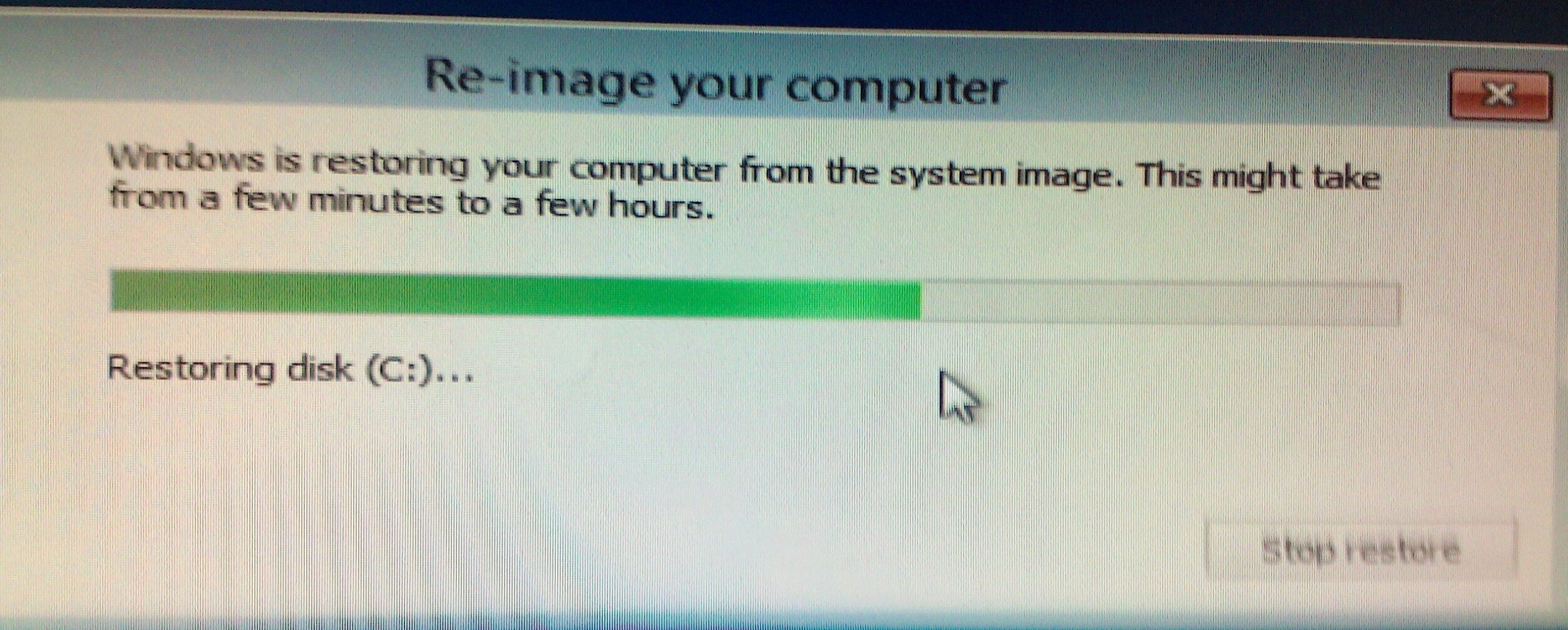
ProTips for successful Windows Server 2012 backup restoration
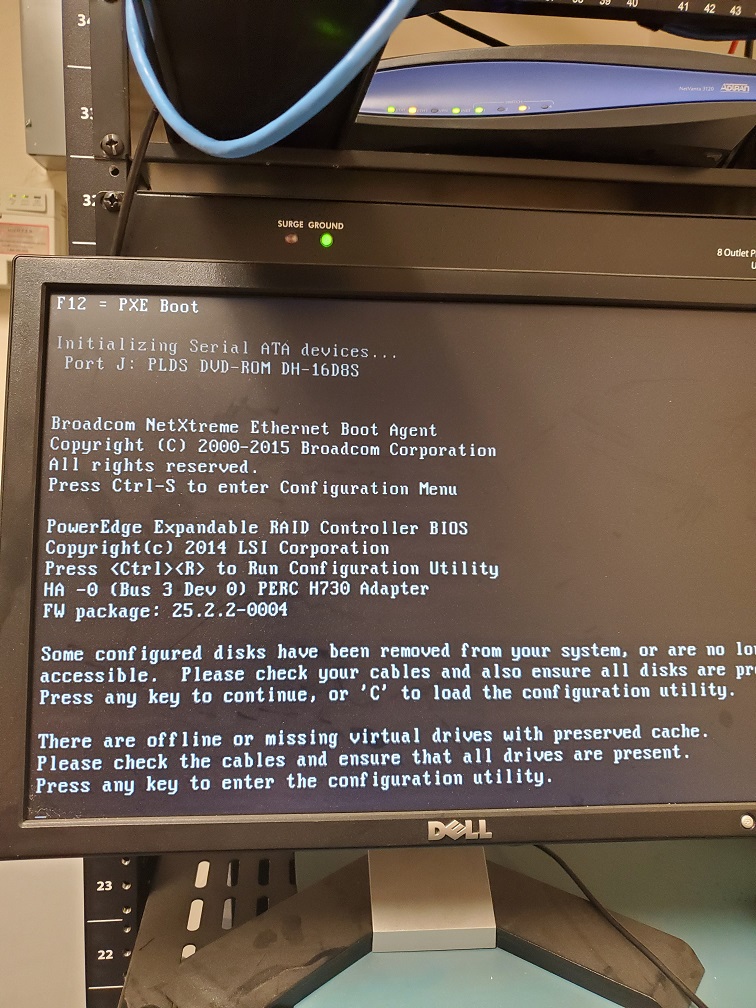
Here are some lessons learned from a recent recovery of a server with the following error:
Lesson #1 – Blinking Hard Drives
So when I got to the customer site the Dell server had blinking hard drive lights on two of the drives. Based on the support article about it the lights meant -“Identifying drive or preparing for removal.” and digging into the RAID controller I found the worst possible scenario for a RAID-5 array – two dead hard drives. I removed the two dead drives, cleared the configuration on the RAID controller, built a new RAID-5 array out of the remaining drives (4 out of 6), and did a fast initialize.
Lesson #2 – Drive letters on Windows Server Backup
Not sure if anyone else has noticed, but when Windows Server Backup is setup to use an external drive it likes to hide the drive by not assigning it a drive letter. This caused a few issues with the restore done from Windows Server 2012 R2 USB boot media as it couldn’t find the drive. I had to connect the external drive to my laptop then give it a drive letter. Plugged it back into the server and rebooted.
Lesson #3 – Patience is a virtue in Scanning for System Image Disks
Following the basic instructions for doing a Windows Server Backup 2012 Restore via Windows Server 2012 R2 USB boot media it came to the point where it does the scanning for System Image Disks. Turns out this can take hours depending on the speed of the drive plus the size and quantity of restores you have on the external drive. Just wait for the process to complete.
Lesson #4 – UEFI or Legacy BIOS matters
So you waited all that time for the Scanning for System Image Disks to complete and now that precious moment arrives when you realize that the Windows Server 2012 R2 USB boot media that you created was UEFI instead of legacy BIOS and the restore fails telling you so. Make sure that when you create the Windows Server 2012 R2 USB boot media that you change the settings to match the system that you are trying to restore.
Hope that these lessons help a few other Windows Server admins, who are trying to do a Windows Server Backup 2012 Restore, save some time and frustration. If you are looking for a better way to do backup and restore then contact us for details.
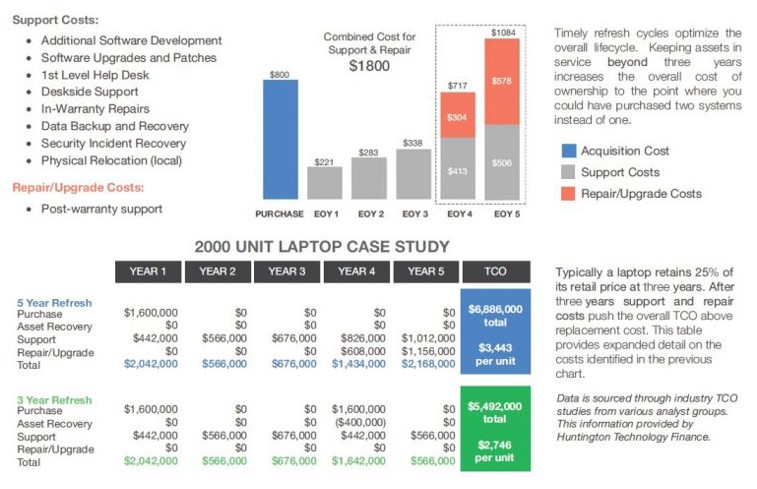
Farmhouse Networking continues to make strides in providing our customers with the best, most cost effective, and environmentally friendly computing experience possible. Part of that process is what has come to be known as Lifecycle Management. Each piece of hardware has an expected amount of time in which it is cost effective to use and support it. Once this time frame has been exceeded the cost of supporting the device becomes greater than the cost as shown in the following graph:
Turn retired IT assets into profit through strategic lifecycle management
FHN Lifecycle Management
So the question remains what to do with the old computers when the time comes to replace them. Previously here in Grants Pass, OR we could support a local charity by taking them to Southern Oregon Aspire to have the computers dismantled and hard drives shredded. Now that their doors are closed we are stuck with dropping them off at the local dump, but what if you could make money while being responsible with the environment?
Farmhouse Networking is now partnering with a company called Arcoa, who do just that. Here is what they do in their R2 rated responsible recycling facility:
“We help you recover value from retired electronic equipment through responsible methods of reuse and recycling. Resale offers the best potential for value recovery, but the fast pace of innovations in technology and short product life cycles can limit equipment’s potential for reuse. From there, the best option may be to recycle the items in an environmentally friendly manner. We’ve built a robust de-manufacturing process to offer additional options for asset value recovery by disassembling equipment for commodity grade materials, which can be diverted from landfills and be used to create new materials.”
Hard drives will be electronically wiped, magnetically degaussed, or shredded based on need. The rest of the parts will be dismantled and sold with part of the profit returning to your company to help offset the cost of buying new computers. What could be better than making money on the buy?
If your company is heading towards a hardware refresh, then make the environmentally sound choice by contacting us for assistance.
Microsoft 365 interface boosting productivity and scalability for business owners.
Office 365 has transformed the way businesses operate, offering a powerful suite of cloud-based tools designed to enhance productivity, collaboration, and security. For small and medium-sized enterprises, adopting Office 365 can lead to significant improvements in efficiency and scalability, allowing owners to focus on growth rather than day-to-day operational challenges. With options tailored for accounting, healthcare, and charitable organizations, Office 365 provides the flexibility needed to meet the unique demands of each industry.
Key Benefits for Business Growth
Seamless Collaboration: Tools like Microsoft Teams enable real-time communication and document sharing, reducing email clutter and speeding up project completion.
Enhanced Security: Advanced security features protect sensitive data, crucial for healthcare and financial sectors.
Scalability: Cloud-based applications allow businesses to easily adjust their software needs as they grow, without the need for costly hardware upgrades.
Automation: Integration with Power Automate streamlines repetitive tasks, freeing up time for strategic initiatives.
Practical Steps for Implementation
To fully leverage Office 365, business owners should collaborate with their IT departments to ensure a smooth transition. Here are the essential steps:
1. Assess Current Needs
Identify the specific challenges your team faces, such as inefficient communication or data management issues.
Determine which Office 365 plans best fit your requirements, focusing on features relevant to your industry.
2. Plan Migration
Develop a migration strategy that includes timelines and responsibilities.
Train staff on new tools to ensure they can utilize them effectively from day one.
3. Implement Security Measures
Set up security protocols using Microsoft’s security features, including multi-factor authentication and data loss prevention.
Regularly update passwords and security settings to maintain robust protection against cyber threats.
4. Integrate Automation
Utilize Power Automate to automate common workflows, such as expense approvals or patient data management.
Monitor automation performance to identify areas for improvement.
Frequently Asked Questions
Q: How does Office 365 improve productivity? A: Office 365 enhances productivity by providing real-time collaboration tools, automated workflows, and secure access to data from any device, which streamlines day-to-day operations.
Q: Can Office 365 scale with my business? A: Yes, Office 365 offers flexible licensing options that allow businesses to add or remove users as needed, making it easy to scale operations without significant overhead.
Q: What kind of support is available for implementation? A: Various providers offer implementation support, including training and ongoing technical assistance to ensure a smooth transition and maximize the benefits of Office 365.
How Farmhouse Networking Can Help
Farmhouse Networking specializes in helping businesses implement and optimize Office 365 solutions tailored to their specific needs. Our team provides comprehensive support, from initial assessment and migration planning to ongoing maintenance and security management. By partnering with us, business owners can ensure their Office 365 deployment is seamless and effective, allowing them to focus on growth and innovation.
For more information on how Farmhouse Networking can help improve your business operations through Office 365, contact us at support@farmhousenetworking.com. We are here to guide you every step of the way, ensuring your business thrives in today’s competitive landscape.
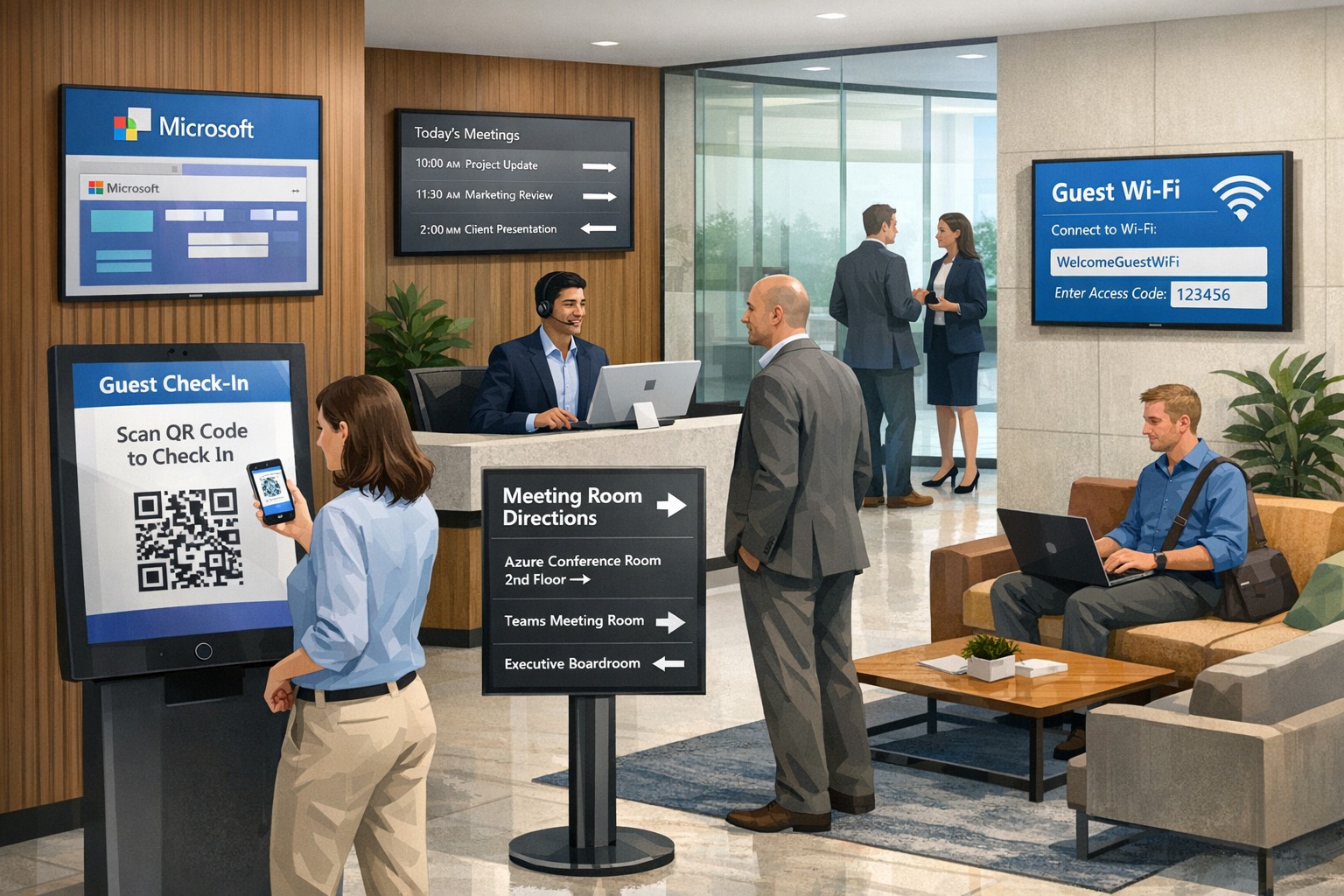
Transform your lobby into a connected guest experience using Microsoft 365, Teams, and Azure for fast check-ins and secure access.
Your lobby, front desk, and meeting spaces are the first “touchpoints” for clients, partners, and visitors. Modern guests expect smooth, secure, and professional experiences—no long check‑in lines, no confusing signage, and no feeling like you’re an afterthought. By leveraging Microsoft technology, you can unify your guest journey across check‑in, meetings, Wi‑Fi, and digital signage, turning every visit into a brand‑enhancing moment.
Why a connected guest experience matters
A “connected guest experience” means using integrated tools so that every system—visitor management, meeting rooms, Wi‑Fi, and communications—works together instead of in silos. When guests arrive, they should be recognized, checked in quickly, routed to the right space or person, and given clear, branded guidance.
For owners, the payoff is tangible: higher perceived professionalism, fewer front‑desk bottlenecks, stronger security, and more data‑driven insights into how visitors use your space.
How Microsoft technology powers this experience
Microsoft’s ecosystem—Microsoft 365, Teams, Azure, Entra ID (formerly Azure AD), and integrated visitor management and digital‑signage add‑ons—gives you the backbone to connect guest workflows end to end.
Key capabilities include:
Cloud‑based visitor check‑in and QR or badge‑based access tied to Microsoft identity.
Meeting and room scheduling through Outlook and Teams, which can trigger guest invites, room bookings, and digital‑signage displays.
Secure Wi‑Fi and network access policies that distinguish employees, guests, and contractors, all controlled from the Microsoft stack.
Used together, these tools let you treat visitors as “guest users” in your environment, not just names on a paper log.
Practical steps for business owners and IT
Creating a connected guest experience is a joint project between leadership and IT. Here are concrete steps you can take over the next 3–6 months.
1. Define your guest‑journey blueprint
Map how guests typically arrive (walk‑in vs. scheduled), where they wait, and how they get to meetings or services.
Identify pain points: slow check‑in, lack of wayfinding, unclear Wi‑Fi access, or security anxiety.
This blueprint will guide which Microsoft tools you prioritize and how you configure them.
2. Implement a cloud‑based visitor‑management system
Choose a Microsoft‑aligned visitor management solution (native or third‑party) that integrates with Outlook/Teams and Azure identity. Guests should be able to pre‑register or receive an invite, check in via kiosk or mobile, and receive a QR code or badge.
IT then configures the system so that check‑in events push data into your directory and security systems, enabling automatic Wi‑Fi access, visitor tracking, and reporting.
3. Connect check‑in to meeting and room workflows
Use Outlook calendars and Teams Rooms so that when a guest is invited, that event automatically:
Books the right room.
Triggers a welcome message or digital‑signage greeting.
IT should enable APIs or connectors between visitor management, Microsoft 365, and any digital‑signage or room‑scheduling platforms in use.
4. Create a secure, guest‑ready network
Set up separate Wi‑Fi SSIDs and network policies for guests, employees, and contractors using Microsoft‑based network management tools.
Configure conditional access so that guest Wi‑Fi sessions are time‑bound, logged, and disconnected automatically after the visit.
5. Extend the experience beyond the lobby
Use digital signage or displays in lobbies and hallways to show wayfinding, meeting schedules, and branded content.
Integrate these screens with Microsoft 365 so that content can be updated centrally (e.g., from SharePoint or a management portal) without manual changes at each location.
FAQs owners and clients will ask
Here are typical questions and concise, business‑oriented answers you can use internally or in client conversations.
Q: Won’t this make things more complicated for our staff? A: The goal is fewer manual steps, not more. When check‑in, meeting rooms, Wi‑Fi, and digital signage are tied together in the Microsoft stack, staff spend less time at the front desk and can redirect more energy to actual client service.
Q: Is this only for big enterprises, or can small and mid‑sized businesses use it? A: Microsoft’s cloud‑based tools scale from small offices to large campuses. Even a single‑location firm can benefit from a simple visitor‑management kiosk, Outlook‑based guest invites, and a branded lobby screen.
Q: How secure is granting guests access to our systems? A: Guest users live in their own identity lane with limited permissions, and you can enforce access policies, expiration times, and monitoring via Microsoft’s security and compliance tools.
Q: What about cost and implementation time? A: Many components (Microsoft 365, Teams, Azure) are already in your stack; you’re mostly adding workflow logic and integration. A phased rollout—starting with check‑in and Wi‑Fi—keeps costs and disruption manageable.
How Farmhouse Networking helps you execute
Farmhouse Networking specializes in helping accounting, healthcare, and nonprofit organizations build secure, Microsoft‑aligned infrastructures that serve people, not just technology.
For “Create a connected guest experience with Microsoft technology,” we can:
Auditing your current Microsoft‑based environment (365, Teams, Azure, Wi‑Fi) and designing a guest‑experience blueprint tailored to your size and workflow.
Implementing and configuring a visitor management system that integrates with Outlook/Teams and your existing front‑desk or security tools.
Setting up secure guest Wi‑Fi, room‑booking logic, and lobby signage integrations so that your physical space feels coordinated and professional.
Training your IT and front‑desk teams on policies and workflows, and monitoring performance over time to refine the experience.
Call to action
If you’re ready to turn your lobby and front‑of‑house experience into a seamless, branded extension of your business, Farmhouse Networking can help you design and deploy a connected guest experience on the Microsoft platform.
Email support@farmhousenetworking.com to schedule a consultation and discuss how we can help you improve your guest experience, strengthen security, and make your day‑to‑day operations more efficient.
And God will generously provide all you need. Then you will always have everything you need and plenty left over to share with others. As the Scriptures say,
“They share freely and give generously to the poor. Their good deeds will be remembered forever.”
For God is the one who provides seed for the farmer and then bread to eat. In the same way, he will provide and increase your resources and then produce a great harvest of generosity in you. - 2 Corinthians 9:8-10
We use cookies to ensure that we give you the best experience on our website. If you continue to use this site we will assume that you are happy with it.